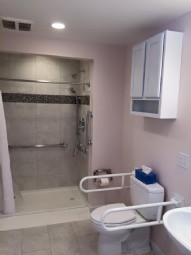
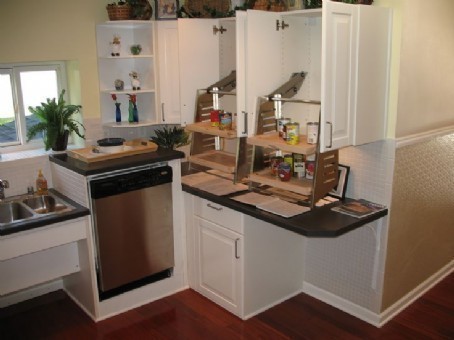
As we age, simple tasks such as taking a shower can become a challenge. Bathrooms can be especially risky for those with limited mobility due to slick surfaces and the movements required for bathing and toileting. The National Safety Council estimates that each year, over 200,000 people are injured in their bathrooms. These injuries are mostly due to falls and many of them are preventable.
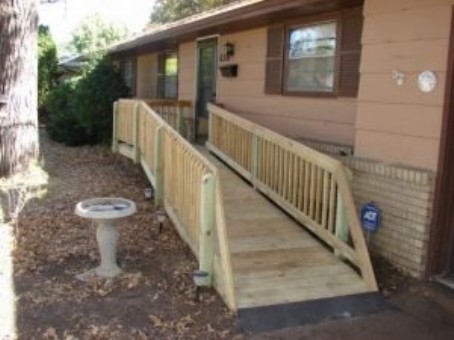
If you plan to add a wheelchair ramp to your entryway, you may be wondering how long it needs to be. Some people might think a shorter ramp is better because it takes up less space and may cost less money. However, if you add a ramp that is too short for the rise of the entryway being ramped, it can be both hard to use and a safety hazard. This often results in a very steep ramp that may resemble a ski jump!
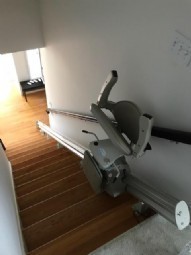
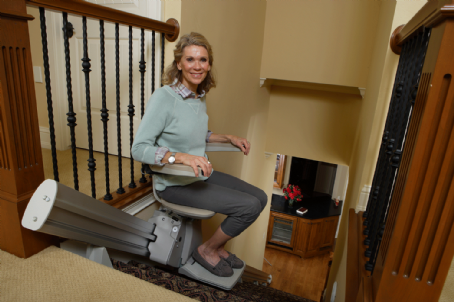
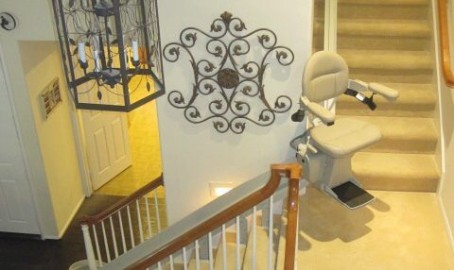
Some people are reluctant to have a stair lift installed in their home because they are worried about what to do with it when it is no longer needed and what their staircase may look like after it is removed. Fortunately, these problems are easy to address, so that you can use your stair lift worry-free.
If you’ve been researching home accessibility or products such as stair lifts or ramps, you may have come across the term universal design. While it may sound like some sort of New Age philosophy, it is really the cornerstone of the accessibility movement.
You may have seen television commercials or advertisements for stair lifts and thought that you or a loved one would benefit from having one installed in the home. While these advertisements may demonstrate the features and many benefits of a stair lift, they don’t prepare you for what to expect during the buying and installation process. Fortunately, this process can be trouble-free if you know what to expect and reach out to a local trusted stair lift dealer.
In this post, we'll provide helpful information on some of the main factors to consider when buying a stair lift.
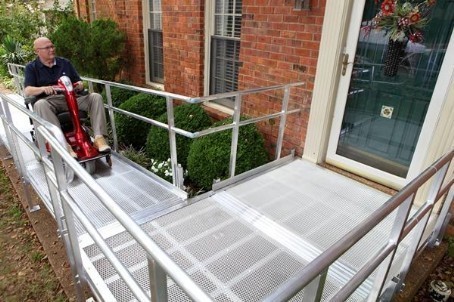
If you have determined that you need to have a wheelchair ramp installed at your home or business, you’re probably wondering which type of ramp material is best. The four types of materials typically used to construct wheelchair ramps include wood, concrete, steel, and aluminum. Let’s take a closer look at these materials to help you decide which type of wheelchair ramp best suits your needs.
Elevators for Homes in the Chicago, Illinois Area, Northwest Indiana & Southeast Wisconsin
Lifeway Mobility offers a variety of residential elevators for homes throughout the greater Chicago area, Northwest Indiana, and Southeast Wisconsin. The residential elevators we offer are from the top manufacturers in the industry:
Savaria
Fox Valley Elevator
Wessex
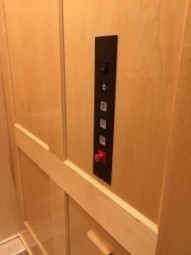
A home elevator is often thought to be an expensive luxury item. However, adding an elevator to your home is actually pretty affordable, and will benefit you and your family in a number of ways.
According to the National Center for Caregiving, there are an estimated 44 million American adults who provide unpaid caregiving to seniors and adults with disabilities. Of these, 14 million are considered “high-burden” caregivers who provide 21 or more hours of unpaid caregiving per week. Many of these caregivers are untrained and underprepared. The high stress and physical demands of caregiving can have serious consequences on the caregiver’s emotional, mental, and physical well-being.
When you’re getting older or living with a disability, falling is a serious and scary issue. One out of three Americans over 65 fall every year, and almost 10,000 deaths of older Americans each year are related to falls.
At some point, you or a loved one may require a wheelchair ramp to access your home and continue living independently. The decision to rent or buy a ramp depends largely on your unique situation. Here are some guidelines to consider when making this decision. Keep the following considerations in mind to help make the right decision for your specific circumstance.
Lifeway often does a great deal of work to protect our families from dangers both inside and outside of our homes. However, we sometimes overlook one of the best ways to look out for our family – by examining the invisible risks around our home.
But how can you reduce your risk for dangers you can’t see? A great place to start is by addressing common household issues such as contaminants, media access, and emergency preparedness.
In this third article of our three-part series, we explore ways to protect your family with tips for reducing invisible risks around your home.
An old saying that still rings true to many today is: "Your Home Is Where Your Heart Is". Many people can relate to this saying because your home is where your family was raised, friendships and relationships were built, and lasting memories were made.
Unfortunately, decreased mobility, age or illness may mean that the home that you love now poses some difficulties. Maybe arthritis makes the faucets a little difficult to turn on/off, or maybe you don’t feel as steady in the shower and are afraid of falling when no one is home. Perhaps the stairs are not just difficult to climb, but also very dangerous if you were to slip or miss a step.
Most parents can clearly remember the first years of their child’s life - patiently waiting for those first steps and making sure to hover close by in case of a fall. Once walking is "mastered" parents will still make sure to do what they can to prevent slips or accidents from happening in the home. It’s in our nature to make sure that we help loved ones as much as we can to keep them safe. But, the “I can do it myself” was the familiar cry that told us how badly they wanted to be independent.
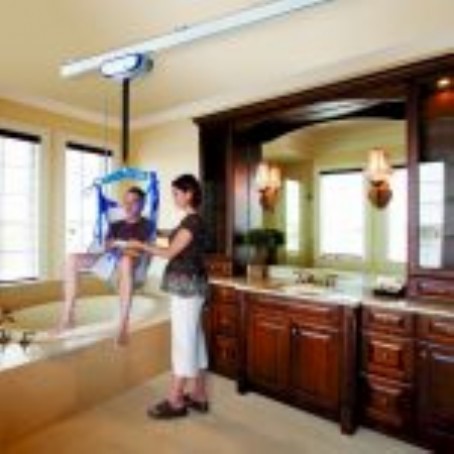
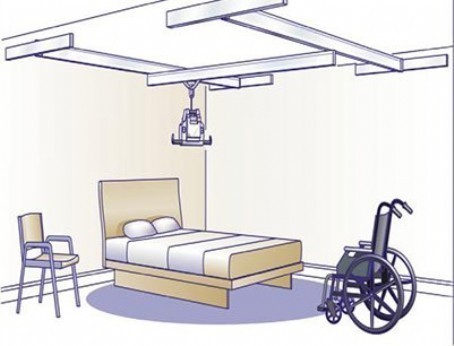
Thanks to Google and many other search engines, you can easily find a lot of information about a ceiling mounted lift systems that touts all of the features and benefits. But, rarely do they answer the question; do I really need a ceiling mounted lift system?
To answer this question, you'll first need to take time to do the following:
Focus on the person's mobility needs and assess their current level of mobility
Factor in any changes that could affect this person's ability over time.
Consider the caregiver's level of ability to provide and assess this level of functionality over time.
Working with Therapists & Doctors
This is where the client’s therapists and doctors will help. Occupational therapists, in particular, are trained to evaluate a client’s level of functionality in an area they call Adult Daily Living Skills. Armed with this information, it is much easier to make decisions on which type of equipment is best suited for the client’s needs and what level of benefit this equipment will provide.At Lifeway, we work closely with the client and their family as well as review the recommendations of doctors and therapists in planning the solution that best meets the client’s needs. This sounds expensive, and it sometimes can be. In fact, many times the cost will lead clients and their families to choose the most affordable solution over the safest solution. However, choosing the most affordable solution may be the wrong solution, and can potentially lead to a dangerous situation. The safety of the client always needs to be considered.
Floor Mounted Lift Systems
An example of the above situation is choosing a floor-mounted lift system (Hoyert) instead of a ceiling-mounted track system. Many people will find that a floor-mounted lift system is more difficult to use than a ceiling-mounted track because they transfer the client’s weight to three small casters that need to roll over the floor of the client’s home. These castors may roll fairly well on hard surfaces, but they will not roll well over carpet or thresholds.
Overhead Lift Systems
An overhead system essentially takes the client’s weight out of the equation and transfers it to a specially designed track and trolley that has extremely low rolling resistance over the entire length of the track.Ceiling mounted lift systems can also be customized to fit the client’s exact requirements - from simple to complex including moving from room to room or to multiple locations in one room. Our goal at Lifeway Mobility is to factor all of the client’s needs, abilities, and budget into account when designing a solution to meet their needs.For more information on our ceiling-mounted lift systems, please contact us. We would more than happy to answer all of your questions about ceiling-mounted lifts.We have been proving ceiling-mounted lifts to the greater Chicago area, including northwest Indiana, and southeast Wisconsin since 1991!
If you have mobility or balance issues, taking a shower or even getting in or out of the bathtub/shower presents a potentially dangerous situation. For most people, a shower is a time for relaxation and stress release. But if you face physical challenges and/or suffer from a health condition, the act of bathing can be a scary, stressful time. An elderly, ill or disabled person should equip his/her bathtub or shower with a bath seat to prevent the risk of falling.
The bathroom can present challenges for people who are aging, wheelchair-bound, or have limited mobility. More than 2/3 of emergency room visits are due to falls in the bathroom.
A loss of balance, wet floors, tight spaces, and/or bending and lifting required to access the tub and shower, are things that can lead to a fall in the bathroom. With that being said you may be wondering, is it possible to enjoy bathing or showering independently at home for those with balance issues or limited mobility?
In the rest of this post, we will provide information about some of the options that can make showering and bathing safe again.
At some point, you or a loved one may need to consider a wheelchair ramp to continue living independently due to a decline in mobility. Whether you’re using a wheelchair, scooter, cane, or simply have trouble with stairs, a wheelchair ramp can be a quick, easy, and affordable solution.
There are a variety of ramp options available, so it’s important to consider some of the major factors that can influence your decision.
Falls in the home are dangerous for anyone, but they are especially dangerous for people who are injured or aging. Falls are also more likely to happen to people who are injured or aging, as people who are injured or aging might lack the agility to stop the fall. An aging person who falls is more likely to break a bone, and the healing process slows as people age.
A Certified Aging-in-Place Specialist (CAPS) is a professional who has completed professional training in aging in place. The training and certification is offered through the National Association of Home Builders (NAHB) in conjunction with Home Innovation Research Labs, the NAHB 50+ Housing Council, and the American Association of Retired Persons (AARP).
As relatives age, they may require a wheelchair in order to navigate around their home. Unfortunately, with the vast majority of elderly people living in older, more traditional homes as opposed to open floor plan designs, maneuverability with a wheelchair can be very difficult. This is especially true of bathrooms; small footprints, corners, vanities, large tubs, and other storage items make moving around the bathroom challenge.
While moving a sink or toilet may not be a viable option, there are many bath safety solutions that can make this space more user-friendly and safe for an aging loved one using a wheelchair.
Your parents cared for you as you grew up, and now that they are getting older, they may need additional help living safely in their home. In order for your aging parents to maintain their independence, you need to make sure they have the proper home modifications and safety measures in place to keep them out of a nursing home and in the home they love.
Below are some home safety tips on how to help your aging parents live safely & independently in the comfort of their own home.
Improving Outcome Measures through Safe Patient Handling and Mobility
Lifeway Mobility is hosting a FREE one-hour educational webinar that will provide valuable information regarding the improvement of organizational and health care quality outcomes as it relates to safe patient handling. Taught by Amber Perez, a licensed nurse, certified safe patient handling professional, and the SPHM Director of Clinical Services. You can listen during your lunch break!
At some point, due to age or disability, you or a loved one may be faced with the prospect of having to use a wheelchair to assist in your primary mobility at home. Whether it be a temporary fixture to your home or something that will be more permanent, there are a number of simple modifications that can help improve accessibility and make life easier.
If you are like most people, you live in a home that was not designed to accommodate wheelchairs. Below are some simple ideas on how to make sure that you will be able to stay in your home despite the necessity of a wheelchair.
The holiday season is once again here! There are so many things to remember: buying gifts, decorating the house, making travel plans, etc. It’s also important to remember family members and friends who may find it difficult to get into and out of your home while visiting. Similarly, you may find it personally difficult to access a relative’s home if you have limited mobility.
Many of us know of someone, or ourselves, dealing with issues that may cause them to have difficulty functioning in their current home environments. Dorothy Gale said it best, “There’s no place like home.” Boy, was she right! We feel most comfortable in the place we call home and nobody wants to be forced to leave because of physical issues.