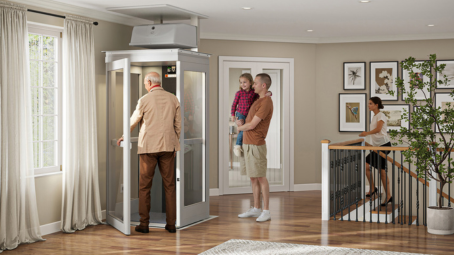
At Lifeway Mobility, we pride ourselves on being a trusted leader in accessibility solutions by recognizing that every person's mobility journey is different. A home elevator can be a transformative option for individuals who struggle with stairs by offering a safe, convenient, and reliable way to move between floors. However, we understand that a home elevator isn't always the ideal solution for every individual or home.
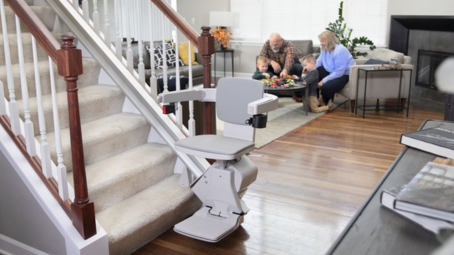
Once you’ve decided that it’s time to buy a stair lift for you or a loved one, you may quickly discover the many different options that exist for purchasing one. As with any considerable purchase, price is an important factor.
If you’re in need of a wheelchair ramp for your home, you may be wondering if it is something covered by your health insurance. After all, if you use a wheelchair or other mobility device, a ramp may be essential for getting in and out of your home.
If getting in and out of your home has become difficult or even unsafe due to a staircase or raised landing, you’re not alone. For many people, just a few steps at the front door can create a major barrier to independence.
A wheelchair ramp is a solution that can make daily life easier, safer, and more manageable. But there’s one big question most people ask first:
Veterans can face a wide variety of mobility challenges, and for many, these don’t just affect how you move, but also how you access and live in your own home. Wheelchair ramps and platform lifts can make a meaningful difference in your safety and independence, but will the VA help cover the cost of these solutions? Here’s what veterans & their families or caregivers should know about VA funding for home accessibility solutions
For older adults, falls are one of the most common, and most serious, threats to health and independence. In fact, new data shows that accidental falls now kill more Americans each year than car crashes.
The good news? Many falls are preventable, especially when you understand the risks and take proactive steps to make your home safer.
For many veterans, staying in the home they love as they age or manage a disability is a top priority. But mobility limitations can make daily living more challenging, and make stairs difficult or unsafe. One common question we hear is: Will the U.S. Department of Veterans Affairs (VA) pay for a stair lift?
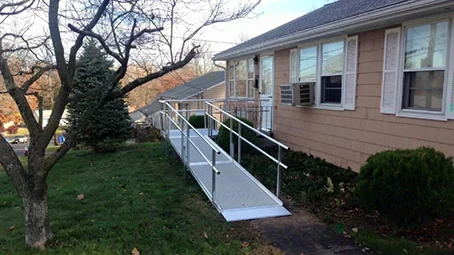
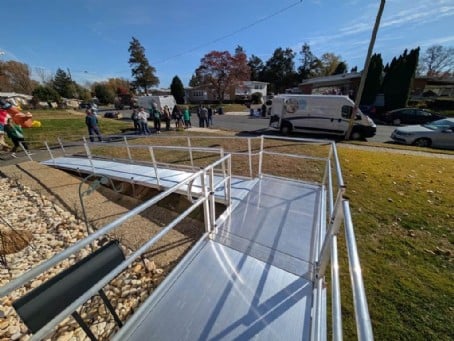
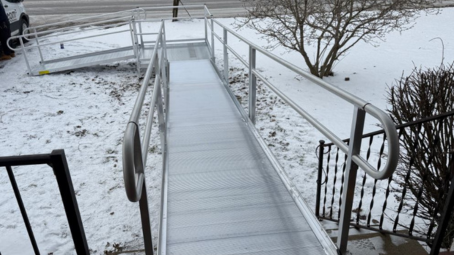
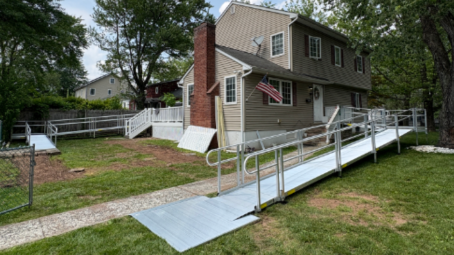
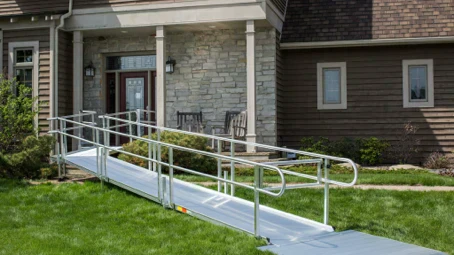
Aluminum wheelchair ramps offer a quick & easy way to make a home accessible. These types of ramps can be installed & used year-round, with proper care & maintenance during winter weather months. If you’re in need of wheelchair ramp, there’s no need to wait for spring to have one installed!
As a leading national stair lift provider, our accessibility experts have heard several stair lift "beliefs" that in reality are not true. In this blog post, we debunk the 8 common myths that people have about stair lifts so that you can know the real facts.
The installation of a stair lift will almost certainly make your life safer, easier, and more comfortable at home. However, you may also wonder what kind of impact it will have on your home’s resale value.
While the answer isn’t as simple and straightforward as you may wish, it’s crucial to understand that the value of a stair lift extends far beyond a potential boost in market price of your home. Let’s take a look at how stair lifts fit into the real estate landscape and why, even without a direct increase in home value, they remain a worthwhile investment.
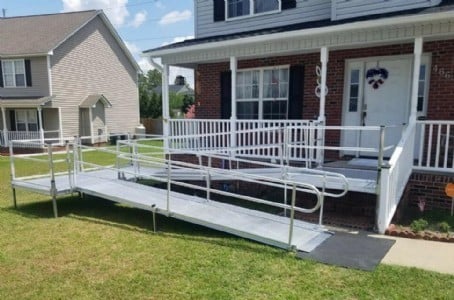
Wheelchair ramps can be essential for getting in and out of the house when for those using a wheelchair, walker, or other mobility device. Even just a few steps at a house's entryway can be a major barrier, separating you from living an independent life at home. However, a wheelchair ramp can give you back your freedom and mobility.
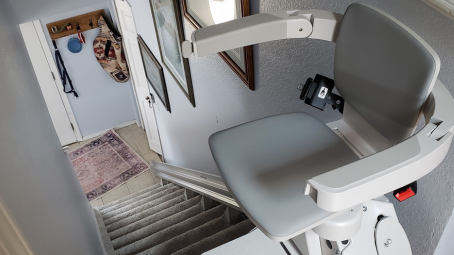
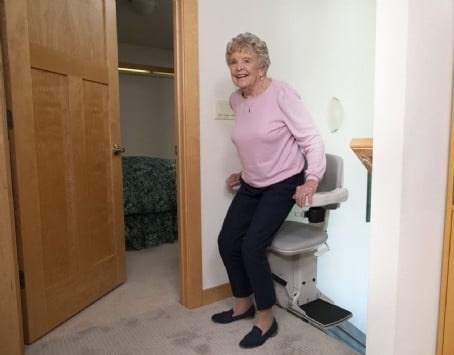
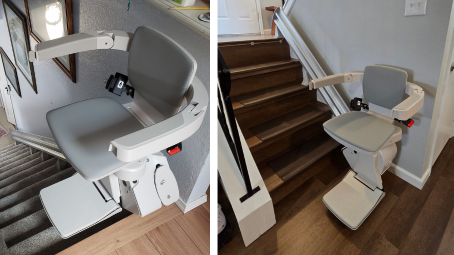
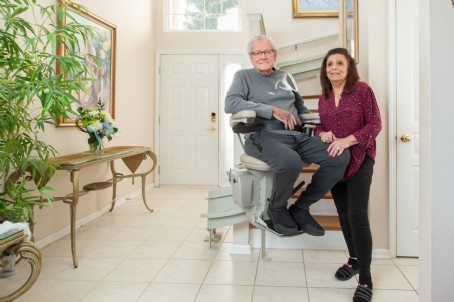
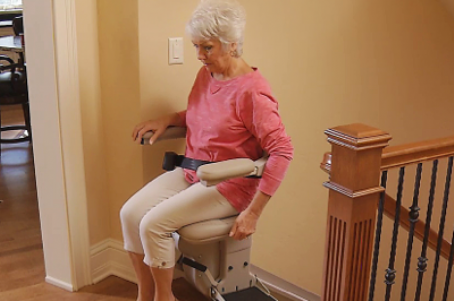
If you or a loved one have been experiencing difficulty going up and down the stairs, but aren’t ready to leave your current home, a stair lift may be the perfect solution for maintaining your safety, independence, and comfort. Stair lift pricing typically begins at around $2,500 but can range up to $20,000 or higher depending on staircase configuration, product model, upgrade options, and other factors.
As you consider your options, you may wonder if you qualify for a free stair lift through Medicare, your health insurance, or other source.
When a family member experiences a change in mobility, a wheelchair ramp can be a great option for helping them get in and out of the house. Aluminum wheelchair ramps are simpler, more convenient, and less expensive than many other types of wheelchair ramps or alternative solutions, and they can be used by everyone regardless of mobility level. Simply do an online search for “where can I buy a wheelchair ramp,” and you’ll find that you can even have one shipped to your home within just a few days—but is this option can often be too good to be true.
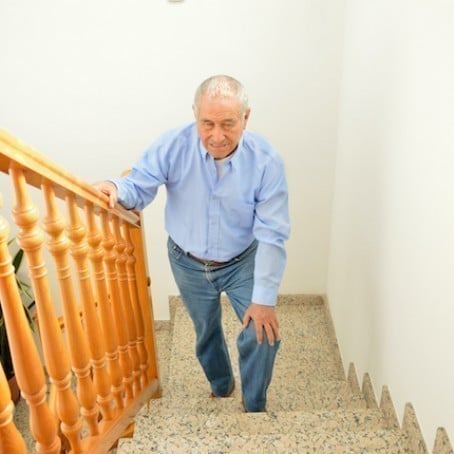
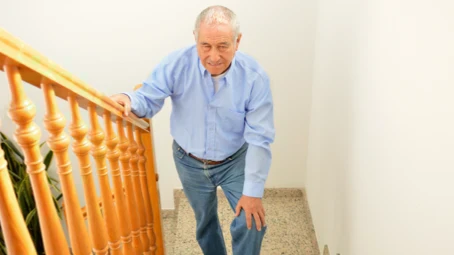
If you’ve been wondering whether you’ll be able to age in place in your current home, you’ve probably realized that many homes have one obstacle in common: stairs. As we age, we naturally lose muscle strength and balance, which can make it more challenging to climb stairs. Seniors with decreased mobility may eventually begin avoiding stairs, cutting them off from key areas of their homes. Luckily, if you plan for this stage of life ahead of time, you have several better options to consider, such as making your own home more accessible with stair lifts, wheelchair ramps, and other modifications or downsizing to a single-level home.
With the typical cost for a straight rail stair lift ranging between $2,800-$8,000, and much higher for a curved stair lift, many people want to know how long their unit is going to last
If you’re in the market for a stair lift, you may be wondering if your health insurance or Medicare coverage will pay the cost. Unfortunately, standard health insurance policies and Medicare will not typically cover the purchase or installation of a stair lift, even with a doctor’s order.
While some may worry that a stairlift installation could damage the walls or floor in their home, that is a myth, and simply not true. Professional installation of a stairlift will not damage the walls in a home as they are simply installed onto the stair treads.
We get several inquiries from people asking what they should do with their used medical equipment when they no longer need it. In this post, we will share some suggestions and options on what to do with your used medical equipment.
Lifeway Mobility is pleased to announce that it has invested in the assets of Accessible Home Automations, LLC, doing business as Stairbusters.com, which has been a leading provider of accessibility solutions for people with mobility challenges throughout Western Pennsylvania for over 20 years.
Lifeway Mobility is pleased to announce that it has invested in Gamburd, Inc., which has been a leading provider of accessibility solutions for people with limited mobility throughout California for over 18 years.
December 1st, 2020
EHLS, a Lifeway Mobility Company, has been proudly serving the Chicagoland area for the past 28 years. In 2018, we joined Lifeway Mobility and today we are taking the next step by fully changing our name to Lifeway Mobility Chicago.
We wanted to share a recording of our webinar, "Tips from the Experts: Maintaining Independence at Home", for those who were unable to attend when it was presented live on October 28th, 2020.
A stair lift can be very useful to those who need assistance with navigating a staircase due to limited mobility or balance issues. While these types of lifts are most often installed inside and outside of homes, there are other buildings where they can be accommodating.
After reading the title of this blog post, you may be thinking "what marathon is Lifeway preparing for? Aren't all large gatherings cancelled?". While we're not preparing to run an actual 26.2 mile marathon, we do believe we're prepared to navigate through this COVID-19 crisis period, which we as a team are relating to a marathon.
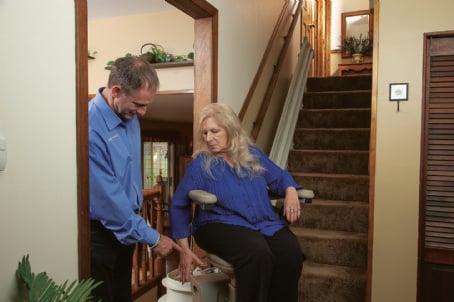
If you just had your stair lift installed, but still have a couple of questions in regards to service or maintenance on the lift, you've come to the right place. This post lists a number of commonly asked questions that we receive from stair lift customers after installation.