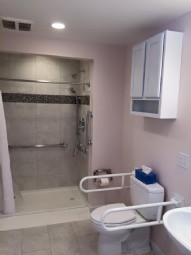
As we age, simple tasks such as taking a shower can become a challenge. Bathrooms can be especially risky for those with limited mobility due to slick surfaces and the movements required for bathing and toileting. The National Safety Council estimates that each year, over 200,000 people are injured in their bathrooms. These injuries are mostly due to falls and many of them are preventable.
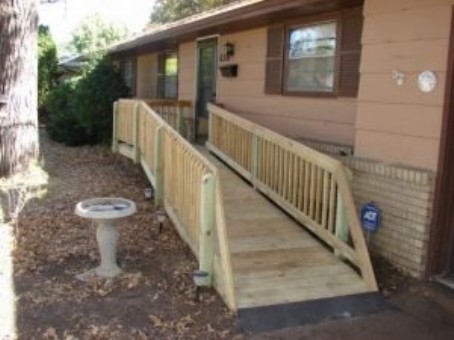
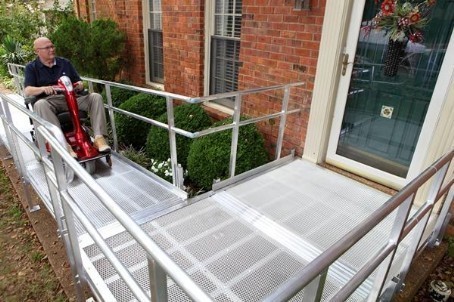
If you plan to add a wheelchair ramp to your entryway, you may be wondering how long it needs to be. Some people might think a shorter ramp is better because it takes up less space and may cost less money. However, if you add a ramp that is too short for the rise of the entryway being ramped, it can be both hard to use and a safety hazard. This often results in a very steep ramp that may resemble a ski jump!
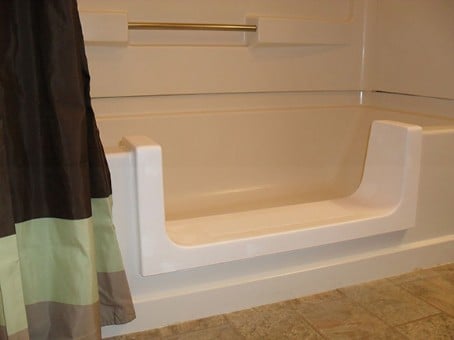
For those with limited mobility, a traditional step-in bathtub can often be a challenge or even a safety hazard. Luckily there are solutions for those who want to be able to take a warm bath but for whom a standard tub is no longer a safe option. These solutions include tub cut-outs and walk-in bathtubs. While these both achieve the basic goal of making a bathtub accessible, they differ greatly in features, cost, and potentially ease of use depending on the user's mobility.
If you’ve been researching home accessibility or products such as stair lifts or ramps, you may have come across the term universal design. While it may sound like some sort of New Age philosophy, it is really the cornerstone of the accessibility movement.
If you have determined that you need to have a wheelchair ramp installed at your home or business, you’re probably wondering which type of ramp material is best. The four types of materials typically used to construct wheelchair ramps include wood, concrete, steel, and aluminum. Let’s take a closer look at these materials to help you decide which type of wheelchair ramp best suits your needs.
At some point, you or a loved one may require a wheelchair ramp to access your home and continue living independently. The decision to rent or buy a ramp depends largely on your unique situation. Here are some guidelines to consider when making this decision. Keep the following considerations in mind to help make the right decision for your specific circumstance.
The bathroom can present challenges for people who are aging, wheelchair-bound, or have limited mobility. More than 2/3 of emergency room visits are due to falls in the bathroom.
A loss of balance, wet floors, tight spaces, and/or bending and lifting required to access the tub and shower, are things that can lead to a fall in the bathroom. With that being said you may be wondering, is it possible to enjoy bathing or showering independently at home for those with balance issues or limited mobility?
In the rest of this post, we will provide information about some of the options that can make showering and bathing safe again.
A Certified Aging-in-Place Specialist (CAPS) is a professional who has completed professional training in aging in place. The training and certification is offered through the National Association of Home Builders (NAHB) in conjunction with Home Innovation Research Labs, the NAHB 50+ Housing Council, and the American Association of Retired Persons (AARP).
Your parents cared for you as you grew up, and now that they are getting older, they may need additional help living safely in their home. In order for your aging parents to maintain their independence, you need to make sure they have the proper home modifications and safety measures in place to keep them out of a nursing home and in the home they love.
Below are some home safety tips on how to help your aging parents live safely & independently in the comfort of their own home.
Lifeway Mobility customers will often ask: “I have a small hallway or door at the bottom of the stairway. Will the stair lift track extend into the hall and potentially create a trip hazard?”