When a loved one has difficulty transferring safely from a bed to a wheelchair, to the bathroom, or between rooms, everyday routines can quickly become stressful not only for the patient, but for caregivers and other family members as well.
As a leading provider of accessibility solutions, Lifeway Mobility understands that every individual’s mobility needs are unique. While a stair lift is often an excellent solution for improving home access for individuals with limited mobility that are having trouble with the stairs, it may not be the best or most preferred solution for everyone.
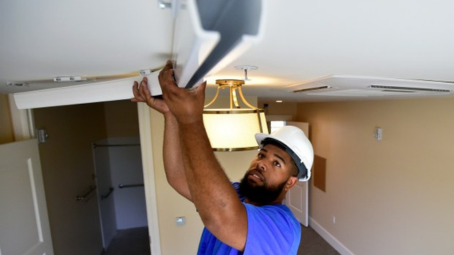
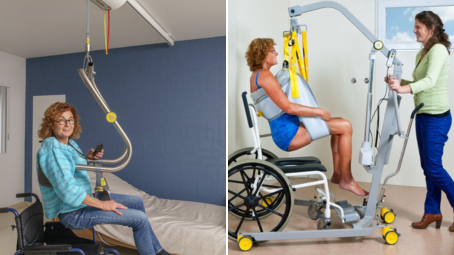
A ceiling lift installation provides a safe and efficient way to transfer individuals throughout the home, easing physical strain for both users and caregivers. Mounted to a permanently installed overhead track or portable track, these lifts eliminate manual lifting and improve ergonomics by allowing caregivers to maintain proper posture during every transfer.
Aging in place means staying in the home you love, safely, comfortably, and independently for as long as possible. With the right home modifications, your living space can remain both stylish and practical, even as your needs change over time. From thoughtful design upgrades to small yet meaningful adjustments, creating a barrier-free, accessible home helps reduce everyday risks and promotes long-term well-being.
“It’s the most wonderful time of the year!”The holiday season is here, bringing joy and cheer as families and friends gather for holiday events and parties. You'll likely get to see family members you haven’t seen for months, and for elderly relatives, that means you may notice new changes in mobility.
Accessible living has recently become a forward-looking trend in the housing design and development industries. But for seniors and people with disabilities, accessibility is so much more than just a buzzword—it means being able to live a fulfilling, independent life.
Today, we’ll take a look at how accessible living spaces are connected to enhanced safety, increased independence, and an overall improved quality of life, not only for those with limited mobility, but for their families, social circles, and communities as well.
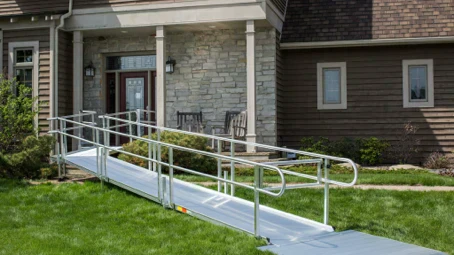
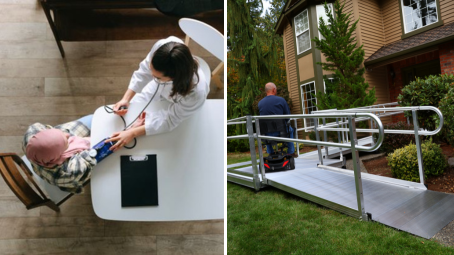
When a family member experiences a change in mobility, a wheelchair ramp can be a great option for helping them get in and out of the house. Aluminum wheelchair ramps are simpler, more convenient, and less expensive than many other types of wheelchair ramps or alternative solutions, and they can be used by everyone regardless of mobility level. Simply do an online search for “where can I buy a wheelchair ramp,” and you’ll find that you can even have one shipped to your home within just a few days—but is this option can often be too good to be true.
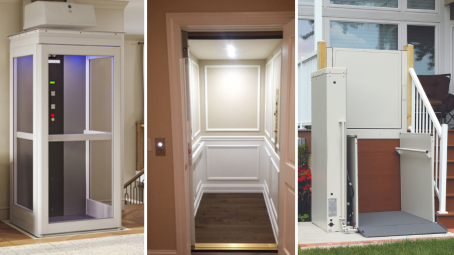
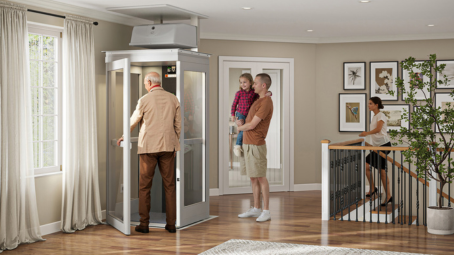
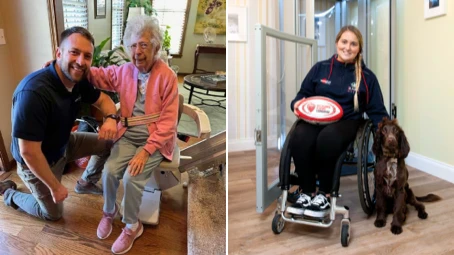
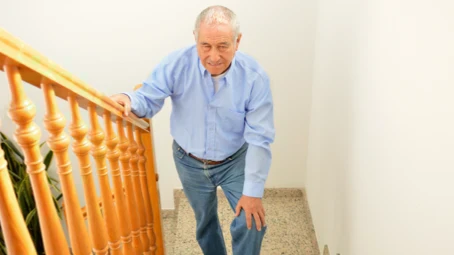
If you’ve been wondering whether you’ll be able to age in place in your current home, you’ve probably realized that many homes have one obstacle in common: stairs. As we age, we naturally lose muscle strength and balance, which can make it more challenging to climb stairs. Seniors with decreased mobility may eventually begin avoiding stairs, cutting them off from key areas of their homes. Luckily, if you plan for this stage of life ahead of time, you have several better options to consider, such as making your own home more accessible with stair lifts, wheelchair ramps, and other modifications or downsizing to a single-level home.
As we age, our home may not be as easy to navigate as it was years ago. Getting up and down a set of stairs may be a chore because of decline in mobility or weaker muscles. The risk of slipping and falling in the bathroom may be much higher, especially if there are no grab bars in the bathtub/shower, or near the toilet.
An option for older adults that are having a difficult time getting around at home is a senior/assisted living facility. However, these types of facilities do not offer the familiarity and comfort that a home does. A home is full of memories from holidays and gatherings with family and lifelong friends.
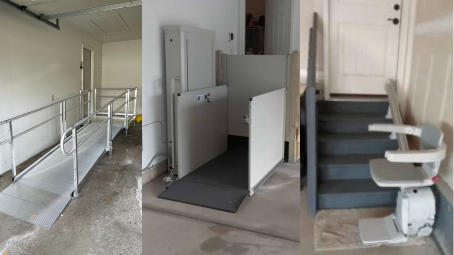
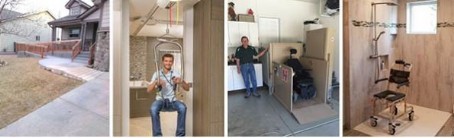
One common way to make a home accessible for those with disabilities or limited mobility is by overcoming the steps at the garage entrance. Steps are an accessibility barrier that are typically made of concrete or wood, and railings are not always installed. The construction of the stairs may also be low-quality in some cases, which can pose injury risks from slips and falls. Here are the top 5 solutions to help make a home’s garage safe and accessible.
Before recommending a Hoyer lift for patient/client transfers, it’s important to fully understand the challenges of using this type of equipment, and more importantly, why an overhead ceiling lift is often a better solution.
People diagnosed with cancer often require additional safety precautions to ensure that any health-related problems do not occur. Day-to-day activities that can be taken for granted will become harder. Simple things like cooking, cleaning, and even walking up the stairs may become strenuous, and even dangerous.
Independent living can be difficult to achieve if your home isn’t ready for it. A newfound lack of mobility may prevent you from doing everyday tasks as you used to. Creating systems for different parts of your home can help you remain self-sufficient. Whether it be living with a disability or aging in place, there are many ways to achieve an independent living situation.
The early signs of ALS are when muscle cramps and twitching, weakness in hands, legs or ankles or difficulty speaking or swallowing begin. Loss of movement follows, and then moving around the home becomes progressively more difficult. The help of a caregiver, whether that person be a professional or a family member, is eventually needed. Home accessibility is better when you can plan ahead and enjoy the freedom to move around your home without big obstacles.
Most seniors want to age in place in their homes, well past retirement and into their golden years, and with a bit of help, they can. When circumstances change, specifically in the areas of mobility and ability, seniors may look for ways to make the rooms in their homes more easily accessible for themselves.
Due to the pandemic, more patients with complex needs are being discharged directly home, which can cause challenges for healthcare facilities and patients. Home care and home access are part of the solution to help those with limited mobility remain in their homes safely and on parallel path to help minimize readmission.
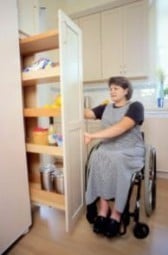
At some point, due to age or disability, you or a loved one may be faced with the prospect of having to use a wheelchair to assist in your primary mobility at home. Whether it be a temporary fixture to your home or something that will be more permanent, there are a number of simple modifications that can help improve accessibility and make life easier.
If you are like most people, you live in a home that was not designed to accommodate wheelchairs. Below are some simple ideas on how to make sure that you will be able to stay in your home despite the necessity of a wheelchair.