For older adults, falls are one of the most common, and most serious, threats to health and independence. In fact, new data shows that accidental falls now kill more Americans each year than car crashes.
The good news? Many falls are preventable, especially when you understand the risks and take proactive steps to make your home safer.
In today’s post, we’ll discuss the risk factors for falling, as well as tips for protecting your long-term health and quality of life.
Why Falls Are a Growing Concern in the U.S.
For older Americans, accidental falls are becoming not only more common, but also more deadly. Examining data from the Centers for Disease Control and Prevention (CDC), the nonprofit resource USAFacts found that deaths from accidental falls in the United States have tripled since 2000. Falls are now the leading cause of fatal and non-fatal injury for adults age 65 and older, surpassing car accidents and other injuries.
A CDC report detailed that the increased fall rate was present in both men and women, and across the 65–74, 75–84, and 85+ age ranges. In each age group, the risk of falling was highest among men, as was the risk of dying from a fall.
Our aging population does contribute to this statistic, because as the number of adults over 65 grows, so does the number of people at higher risk for falls. Yet the sharp increase isn’t tied to any single reason; rather, experts have pointed to several overlapping factors:
Increased prescription drug use: Many older adults take multiple medications, some of which can cause dizziness, drowsiness, or balance issues, especially when combined.
Rising alcohol use among older adults: Alcohol can impair balance, reaction time, and judgment at any age, but its effects are often stronger later in life.
Higher obesity rates: Excess weight can affect balance, joint health, and mobility, increasing the likelihood of falls.
What’s particularly concerning is that any fall can trigger a cascade of challenges, such as hospitalizations, loss of independence, long recovery times, and the fear of falling again. That fear alone can lead people to move less, weakening their muscles and increasing fall risk even further.
How to Reduce Your Fall Risk at Home
Preventing falls doesn’t require one dramatic change. In most cases, it’s a combination of increased awareness, healthy habits, and practical home modifications that makes the biggest difference.
Know Your Risk.
Many older adults think that falling can’t or won’t happen to them, and this false sense of security can be dangerous. A fall can happen to anyone, and it’s crucial to be aware of your own personal risk factors. In other words, what conditions are impacting your balance and mobility?
Some of the most common fall risk factors include:
Mobility limitations and lower-body weakness, which can make it harder to recover your balance
Chronic conditions that cause nerve damage, pain, stiffness, or reduced sensation, such as diabetes or arthritis
Certain medications, especially those that affect blood pressure, alertness, or coordination
Vision impairment or vision loss, which makes it harder to detect obstacles or changes in flooring
Hearing loss, which can reduce spatial awareness and balance
Hazards in the home, such as clutter or obstructed walkways, uneven flooring, loose rugs, and poor lighting
For a quick way to understand your risk, take the National Council on Aging’s Falls Free CheckUp®. Just answer 13 simple questions, and this confidential tool will gauge your risk level and highlight areas where small changes may help.
Adopt Healthy Habits.
Daily habits play a surprisingly large role in fall prevention. Simple, consistent actions can significantly lower risk over time. Start building safer, healthier habits like these:
Wear your glasses and hearing aids as prescribed. Clear vision and good hearing support balance and awareness. In fact, a 2023 study by pubmed.com found that consistent use of hearing aids reduced the odds of falling by 50%!
Schedule regular vision and hearing exams, since changes can happen gradually and go unnoticed.
Review your medications with your doctor at least once a year, or whenever a new medication is added.
Avoid standing on chairs to reach high places. Use a step stool with handrails or a long-handled grabber instead.
Take your time. Standing up too quickly, rushing to answer the phone, or hurrying on stairs can increase your fall risk.
These habits don’t just reduce falls; they also help you stay confident and in control of your movement.
Make Home Modifications for Safety.
Your home should support your safety, not work against it. Luckily, many fall-prevention improvements are affordable, effective, and easy to implement. Start small with simple fixes, such as:
Clearing clutter from walkways and stairs
Securing or removing loose throw rugs
Running cords and cables along walls, not across walking areas
Improving lighting throughout the home, especially in hallways, staircases, and entryways
Adding nightlights in bedrooms and bathrooms
Installing slip guards or non-slip treatments on hardwood floors and stairs
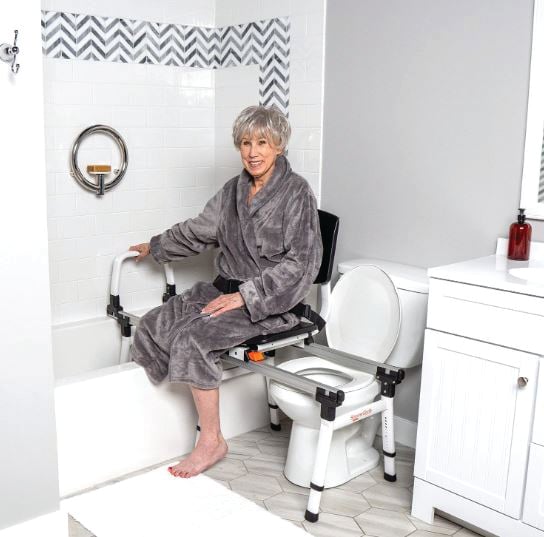
Then, consider the most high-risk area in your home for falls: the bathroom. Surfaces here are often wet and slippery, and standard towel bars aren’t designed to support you. Consider solutions like:
Having grab bars professionally installed near the toilet and inside your shower or tub
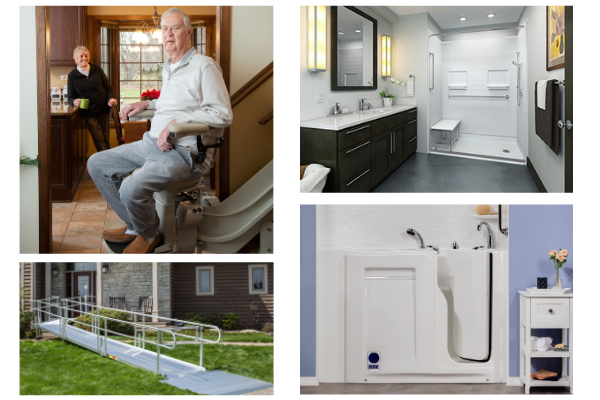
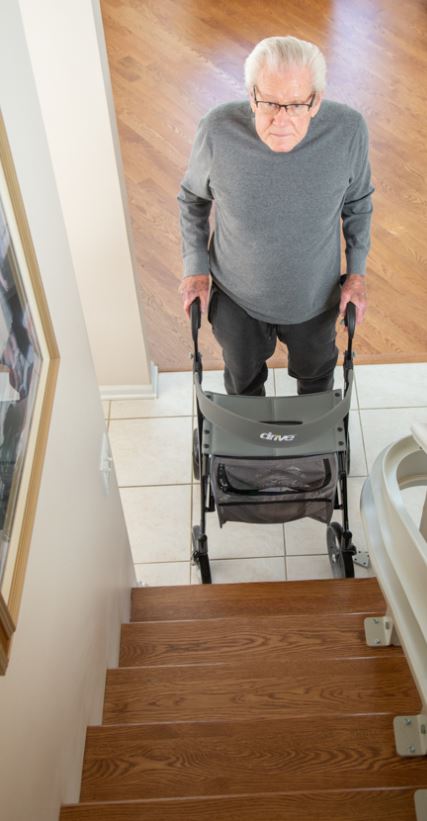
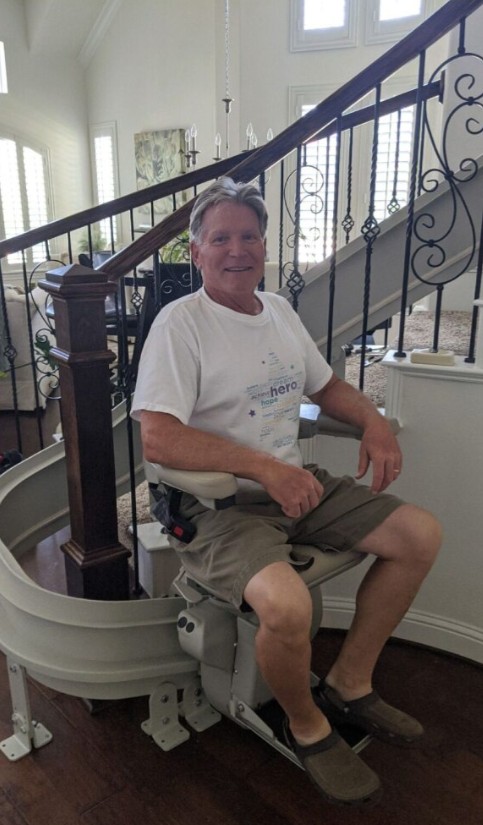
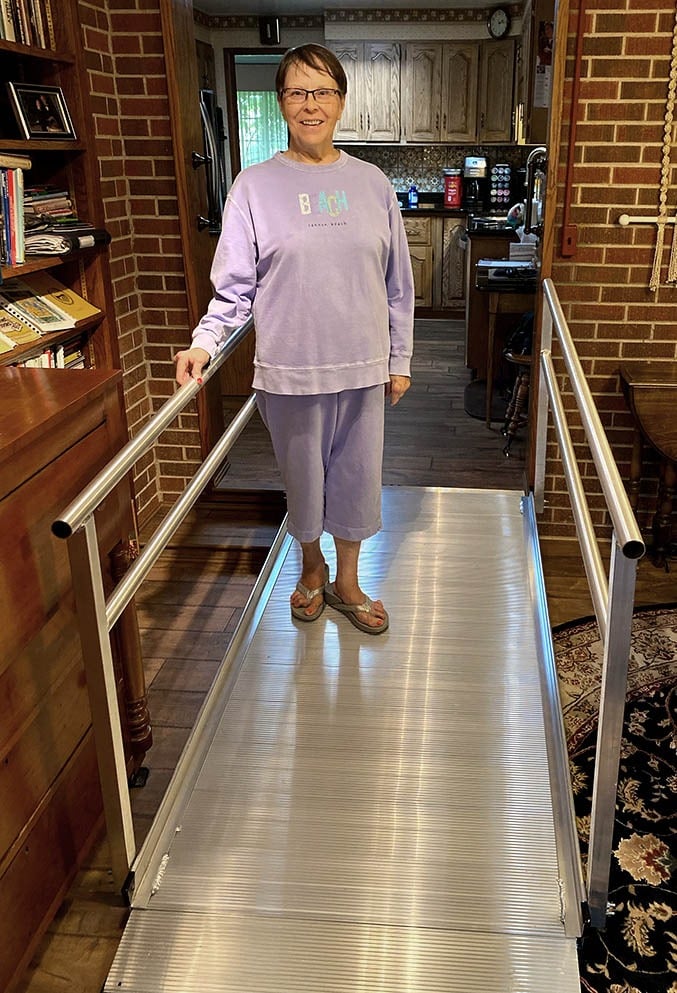
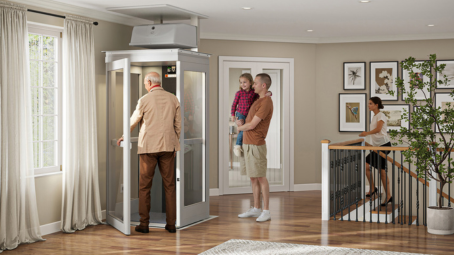
Finally, address the stairs and level changes in your home. Stairs are one of the most common places where serious falls occur. If climbing stairs has become difficult, painful, or intimidating, a stair lift or home elevator can dramatically reduce risk while allowing you to continue using all levels of your home safely. For entrances with steps, a wheelchair ramp or platform lift can improve access and eliminate a major tripping hazard.
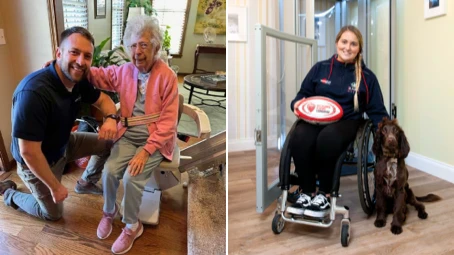
Stair lifts, elevators, and wheelchair ramps & lifts are all available in a wide variety of options today, so there's no need to worry that these additions might make your home feel clinical or institutional. A Lifeway Mobility home accessibility expert can help you find the exact solution that’s right for your home and your needs.
Falls don’t have to be an inevitable part of aging. The earlier you address potential hazards, the more options you have to stay safe, mobile, and independent in your home.
If you or someone you love is concerned about falling, a free home accessibility evaluation can help identify practical solutions tailored to your space, mobility level, and long-term goals. From small safety upgrades to stair lifts and ramps, thoughtful modifications can make all the difference. Contact us today to schedule your free consultation.

 For older adults, falls are one of the most common, and most serious, threats to health and independence. In fact, new data shows that accidental falls now kill more Americans each year than car crashes.