What Type of Stair Lift Is Best for Arthritis, MS, or Parkinson’s?
Posted on by Eric Rubel
 Stairs may be something we rarely think about until a health condition makes climbing them difficult, painful, or unsafe. Arthritis, multiple sclerosis (MS), and Parkinson’s disease are three conditions that can affect mobility, balance, strength, and coordination, turning a routine trip up the stairs into a daily challenge.
Fortunately, stair lifts can help people continue living safely and comfortably in the homes they love. Not every stair lift is the same, though, and the best solution often depends on your specific symptoms, home layout, and long-term needs.
If you’re exploring stair lift options for yourself or a loved one with one of these three conditions, this post will help you choose the best option for comfort & safety.
How These Conditions Cause Mobility Issues at Home
While arthritis, MS, and Parkinson’s disease are very different conditions, they can create similar challenges when it comes to navigating stairs.
Arthritis
Arthritis affects millions of Americans and is especially common among older adults. Depending on the type and severity, arthritis can cause joint inflammation, pain, stiffness, & swelling, reduced range of motion, and limited mobility. These symptoms may cause difficulty standing from a seated position, as well as fatigue during physical activity.
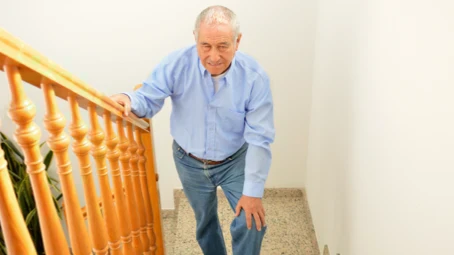
For someone with arthritis, climbing stairs can place significant stress on weight-bearing joints. Even a short flight of stairs may become exhausting or increase the risk of a fall.
Multiple Sclerosis (MS)
MS is an autoimmune disease that affects the central nervous system. Symptoms vary significantly from person to person, but commonly include muscle weakness, fatigue, numbness or tingling in the legs and feet, muscle spasms, balance difficulties, and other coordination challenges.
Many people with MS find that their symptoms fluctuate from day to day, making stairs especially unpredictable. Going down a staircase for people with MS is more challenging that walking on flat ground as it requires more control and balance, increasing the risk of a fall.
Parkinson’s Disease
Parkinson’s disease is a progressive neurodegenerative disorder that affects movement. It gradually makes everyday activities more challenging, with common symptoms including tremors, cognitive interference, muscle rigidity, slowed movement, balance problems, and difficulty initiating movement. Over time, these symptoms may lead to loss of posture reflexes, depth perception, and freezing gait.
Navigating the stairs can be particularly challenging for people with Parkinson’s because it requires balance, coordination, and precise foot placement. The risk of tripping or losing balance often increases as symptoms progress.
Stair Lift Key Features to Look For
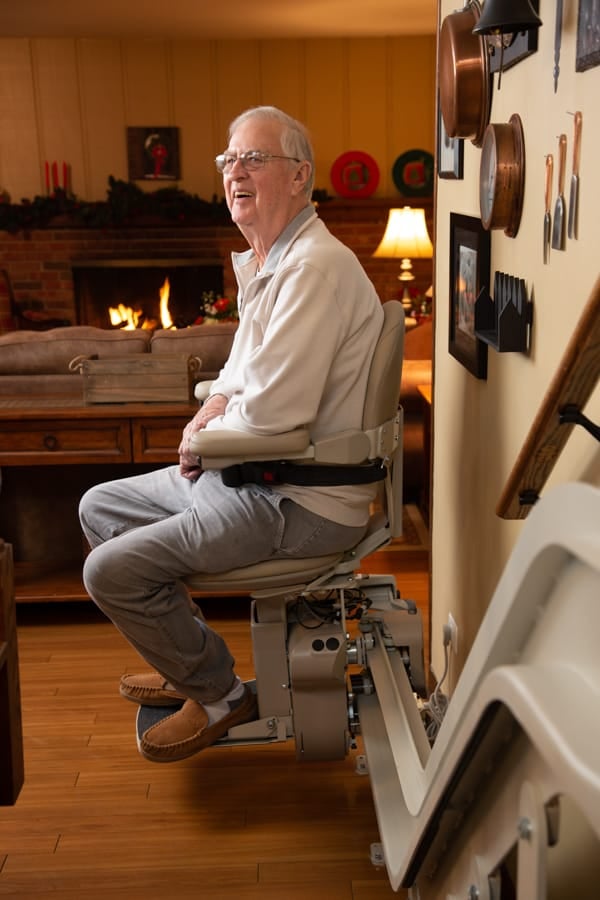
The “best” stair lift for your home is not necessarily the most advanced one. Rather, it’s the one that best matches your current mobility needs, while also helping you prepare for the future. Let’s review the stair lift features and added safety options that may be particularly beneficial for individuals with arthritis, MS, or Parkinson’s disease.
Comfortable & Ergonomic Seating
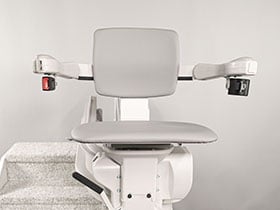
Because joint pain and stiffness are common with arthritis and Parkinson’s disease, seat comfort should be one of your top priorities. To reduce pressure on joints, look for an ergonomic chair design with a padded seat and armrests, a supportive high-back, and that can be adjusted if needed so it's comfortable for your height.
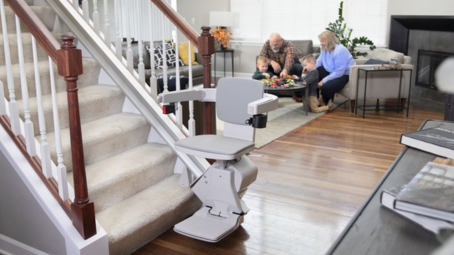
Comfort-enhancing features can be found on all the stair lifts that Lifeway offers. For example, the Bruno Elite in particular features padded, generous-sized seats, ensuring a comfortable ride that makes daily use much easier and more enjoyable.
Ergonomic & Easy-to-Use Controls
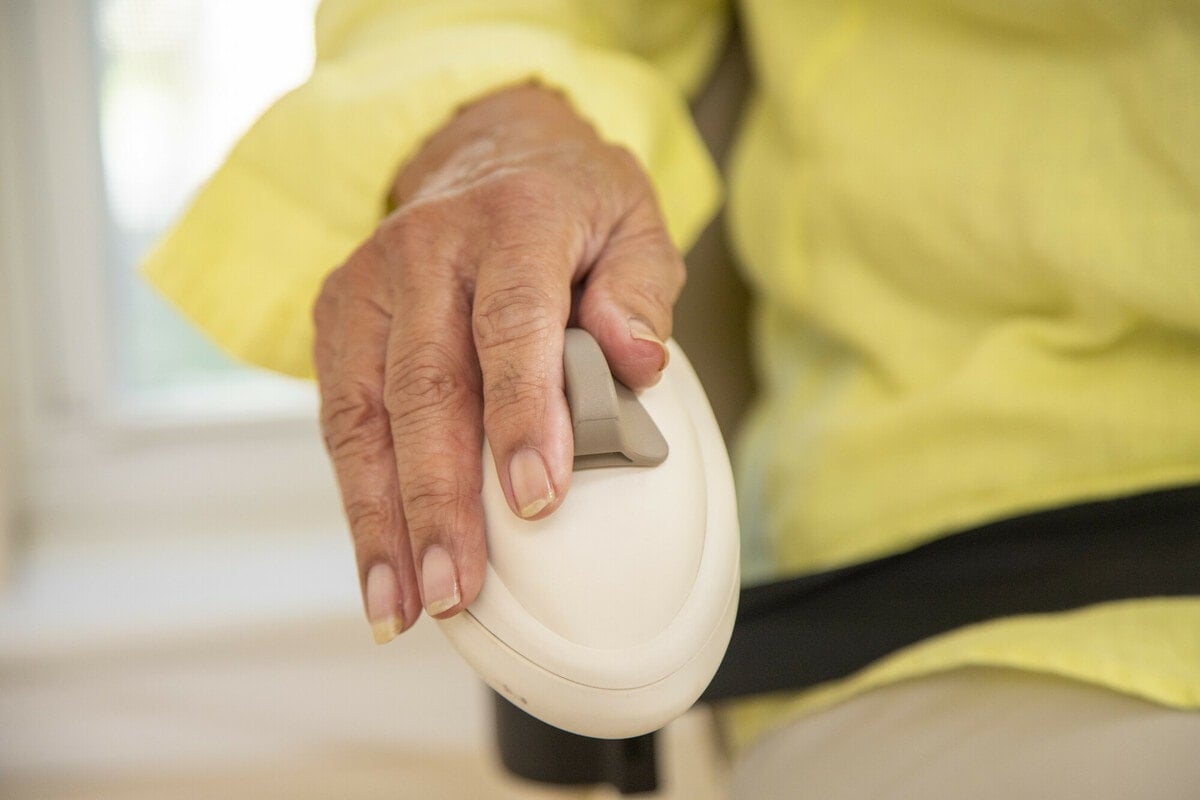
People with arthritis may experience reduced hand strength or finger dexterity, while Parkinson’s can affect fine motor control. With these conditions, simple, intuitive controls are often easier to operate than smaller buttons or complicated interfaces. Most stair lifts feature easy-to-grip controls designed for users with limited hand mobility.
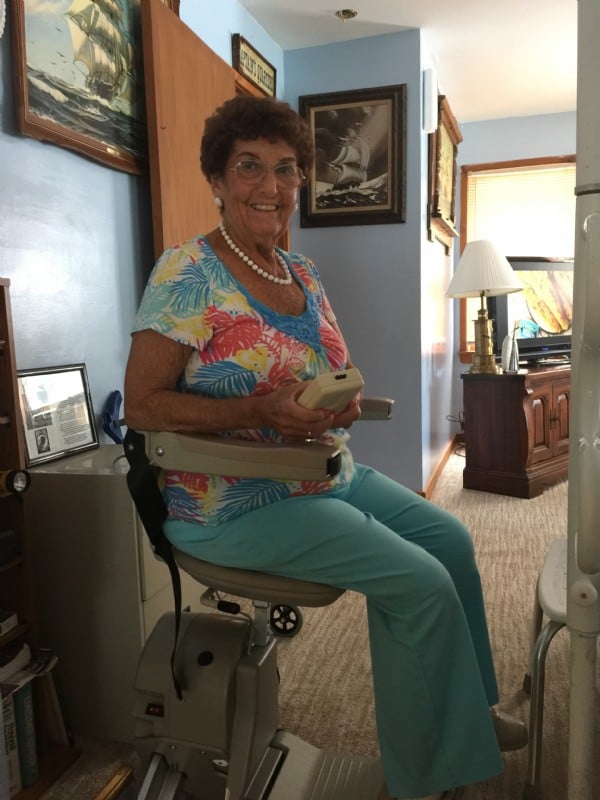
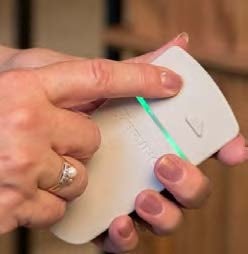
Also, included with all Lifeway Mobility stair lifts are two battery-powered remote controls. The remotes feature easy-to-push buttons that allow you to call the stair lift when it’s parked on a different floor. This is especially useful for homes with multiple stair lift users.
Swivel Seat
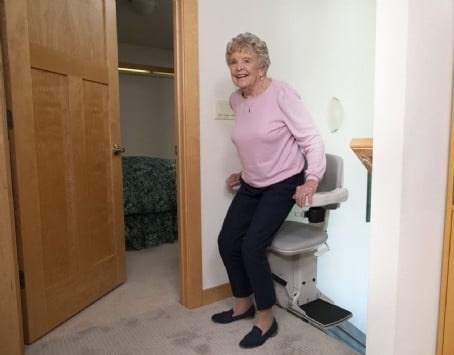
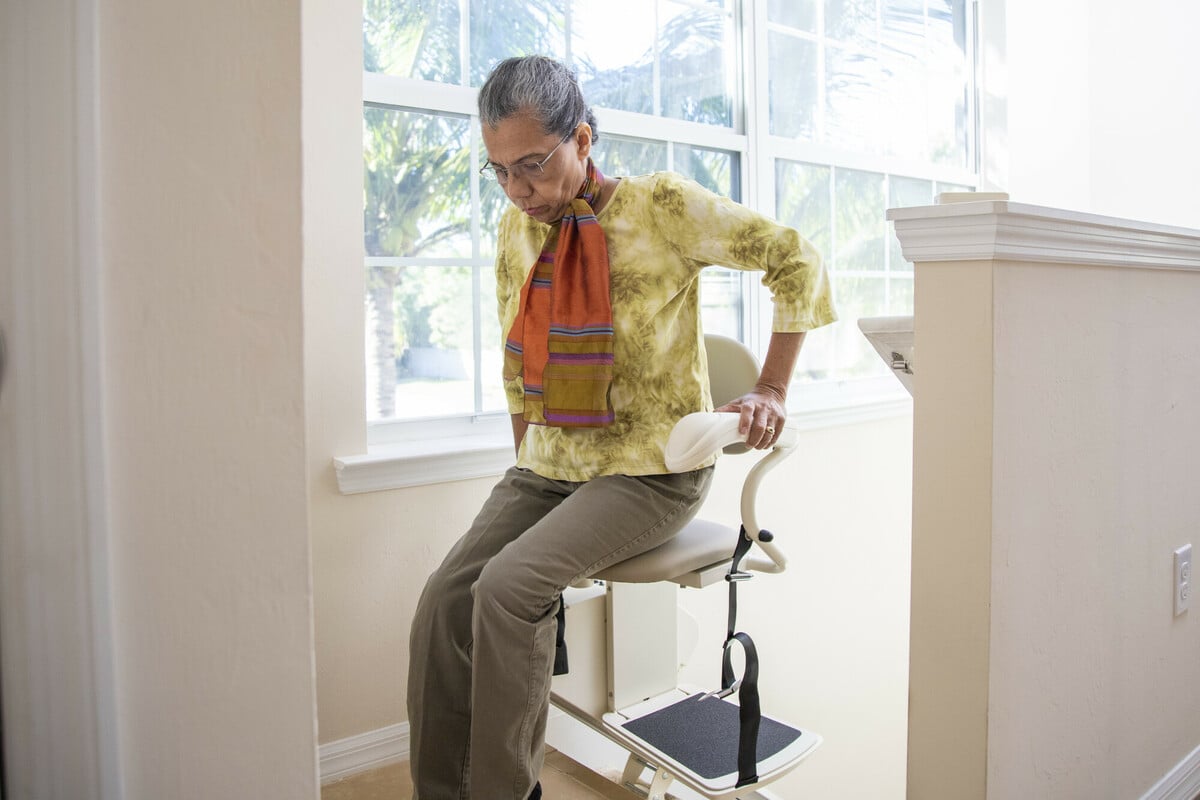 A swivel seat allows the user to rotate up to 90° away from the staircase when getting on or off the stair lift. They reduce awkward movements, thereby keeping you safer during transfers.
All of the stair lifts we provide at Lifeway Mobility come with a manual swivel seat, which works by manually pushing down on a lever next to the seat. The seat locks in place once fully swiveled.
Other Important Safety Features
Safety should always be a primary consideration when choosing a stair lift. Lifeway Mobility ensures that all stair lifts we offer have essential safety features that provide peace of mind and help prevent accidents.
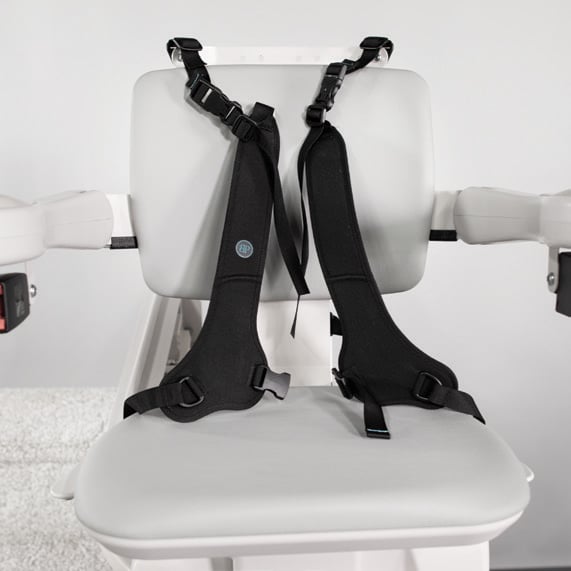 Seat belts are important for keeping the user on the chair while the stair lift is operating. A standard lap belt attaches to the chair, while a four-point or five-point harness-style restraint provides more upper-body support. This extra postural support is helpful for users with low muscle tone, as often happens with MS. Users with arthritis may also want to opt for a specialty clasp on the seatbelt, making the buckle easier to manage.
- Obstruction sensors will detect objects in the path of the stair lift, and immediately bring the chair to a stop. This feature prevents injury as well as damage to the stair lift, and is especially crucial in homes with pets and small children.
Added Safety & Comfort Options for Stairlifts
Powered Swivel Seat
On some stair lift models, the manual swivel seat can be upgraded to a power swivel seat, which is especially valuable for people with muscle weakness or difficulty turning. Rather than having to push down on a lever and swivel the chair and your weight, the power swivel allows for an easy/no-effort swivel with by simply holding down a switch.
Powered Folding Footrest
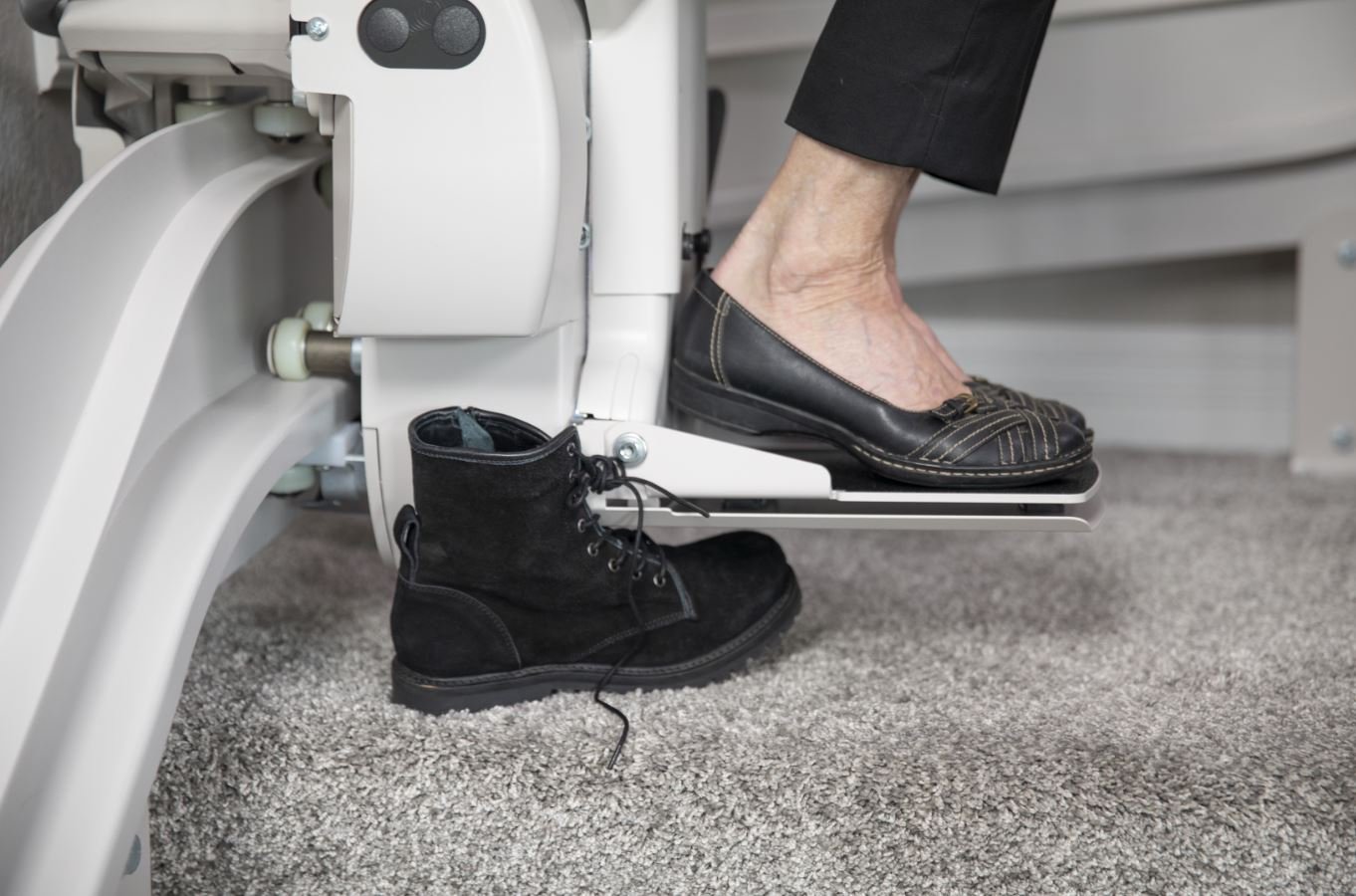
When a footrest is folded down, it can be come a tripping hazard, especially for users with reduced mobility, limited range of movement, muscle weakness, and loss of posture reflexes. The footrest can be manually folded up, but that would pose an additional fall risk. Adding a power folding footrest would allow for the footrest to be easily folded upward and out of the way with the push of a button
Below is a video demonstrating each of these options, and a power-folding rail, which can help to prevent the rail from becoming a tripping hazard at the bottom landing of the staircase.
Consider Your Future Needs
It’s also important to think beyond your current mobility level. Some homeowners choose a stair lift that can accommodate future changes in strength, balance, or mobility. Planning ahead can help you avoid needing additional modifications later. A professional accessibility consultation can help identify the features most likely to support your long-term needs.
Choosing the Right Staircase Configuration: Straight vs. Curved
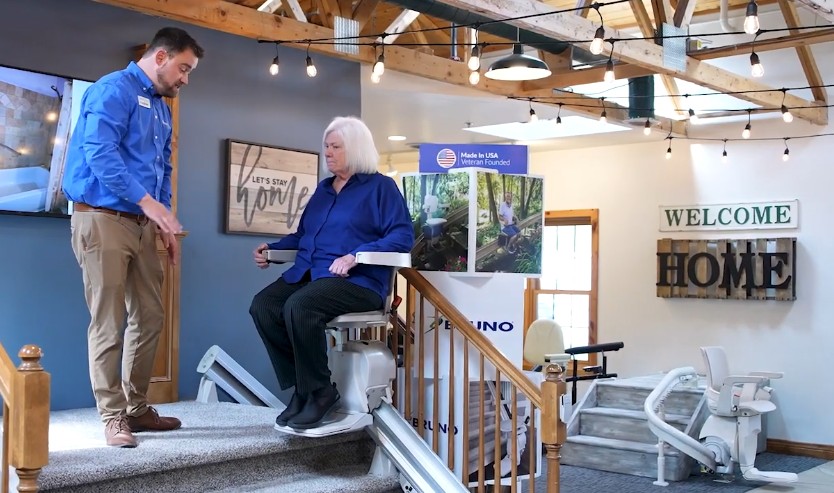
One of the first decisions you’ll make is what stair lift configuration is best for your home: a straight stair lift, or a curved stair lift.
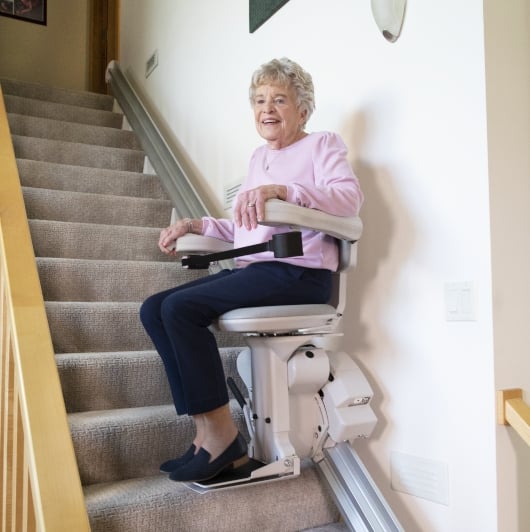 Straight Stair Lifts
Straight stair lifts are designed for staircases that travel in a single uninterrupted line from one floor to another. They are:
- Faster to install
- More cost-effective
- Easy to maintain
- Available with a wide range of seating and safety options
If your staircase has no turns, landings, or curves, a straight stair lift is typically the most practical solution.
 Curved Stair Lifts
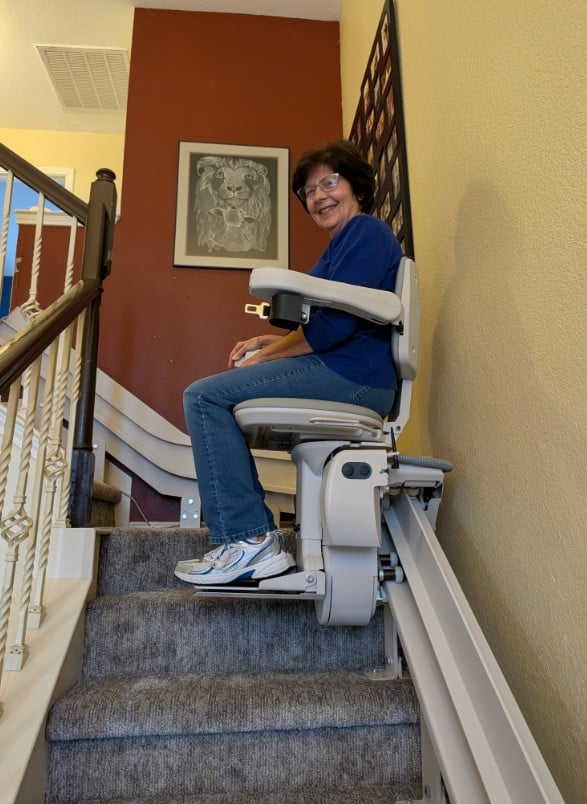
Curved stair lifts are built so that the rail fits the exact shape of your staircase, allowing the lift to travel smoothly from floor to floor. This is the best solution for staircases with:
- Turns or bends
- Intermediate landings
- Spiral sections
Although curved stair lifts generally require a larger investment than straight models, they can provide seamless access throughout the home without requiring major structural changes.
Which Configuration Is Best?
The best stair lift configuration depends almost entirely on the layout of your home.
- Straight staircases with no landings - straight stair lift.
- Staircases with turns, curves, or intermediate landings - curved stair lift
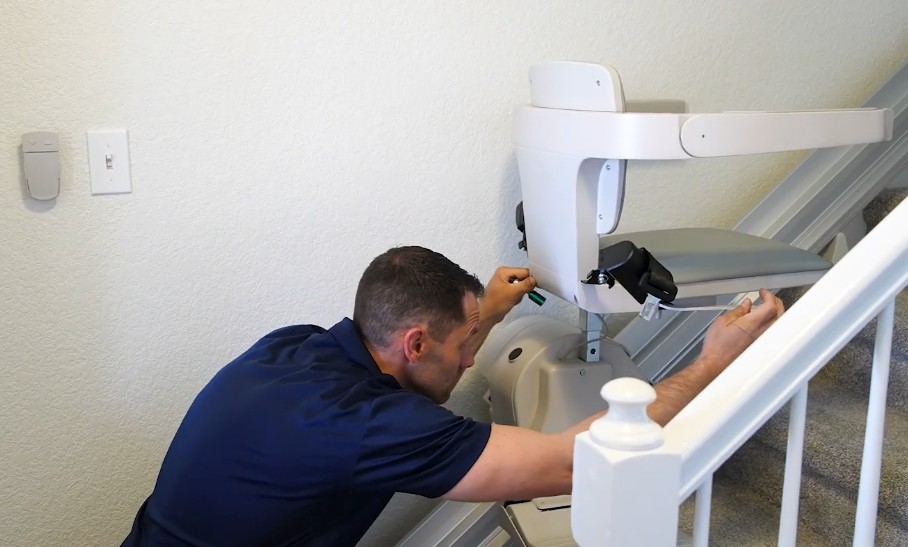
What matters most is ensuring the stair lift is properly fitted to your staircase and tailored to your mobility needs, and professionally installed by trained and certified technicians to ensure safe use.
 \
\Final Thoughts
Arthritis, MS, and Parkinson’s disease can all make stairs more difficult and more dangerous to navigate. The right stair lift depends on the person's diagnosis, current mobility, home layout, and how their condition may change over time.
Features like powered swivel seats and footrests, ergonomic controls, and customizable seating can make transfers safer and more comfortable for many users.
Call (916) 669-8444 or contact us to schedule a professional home consultation where we can help you select the best stair lift, features, and options for your current and future mobility needs The right solution today can help you stay safe, independent, and comfortable for years to come.

Additional Stair Lift Resources
Sources:
- Klement, M. R. (2026). How arthritis impacts your entire health. Mitchell R. Klement, MD. totaljointwisconsin.com
- Kline, P. W., Christiansen, C. L., Hager, E. R., Alvarez, E., & Mañago, M. M. (2021). Movement compensations during a step ascent task are associated with stair climbing performance in people with multiple sclerosis. pmc.ncbi.nlm.nih.gov/.