
Home Elevator Installation - What to Expect
Posted on by Eric Rubel

A residential home elevator offers a convenient, safe, and aesthetically pleasing option for traveling to multiple levels in your home. Mobility challenges shouldn’t keep you from continuing to enjoy the home you love, and access solutions such as a residential elevator can provide a sleek and stylish way to access additional floors in your home.
In this guide we will provide a general overview of a home elevator installation, which is a multi-step process that requires professional assistance and expertise to ensure safety and peace of mind. This guide will also cover factors to consider throughout the process to help you choose the best type of elevator to be installed in your home.
Home Elevator Installation - Topics Covered in this Guide
Home Elevator Installation Summary
| Installation Step | Details |
|---|---|
| Consultation & Planning | Includes free on‑site consultation, space assessment, architect & contractor coordination. |
| Custom Finishes & Features | Cab design, door types, drive system, and aesthetics tailored to your preferences. |
| Permitting & Site Prep | Lifeway manages permits; prep includes clearing area and ensuring power access. |
| Installation Execution | Performed by licensed, certified technicians; durations range from days to weeks. |
| Post Installation Support | Includes cleanup, warranty coverage, and serviced as needed |
Hire a Professional or DIY?
DIY

The first thing to consider when discussing a home elevator installation is whether to try and do it yourself or hire a professional. While it may be tempting to purchase an elevator package online from an e-commerce retailer at a seemingly cut rate, ultimately, it can cost you much more in the long run to try and figure out all of the codes, installation techniques, safety tests, etc., that a professional home elevator technician knows inside and out.
Online retailers often offer no warranty, no service, no installation assistance, and no support after the sale. Several large pallets and boxes will then be delivered and dropped off at the end of your driveway, and it is then up to you to figure it all out.
Professional Home Elevator Installation
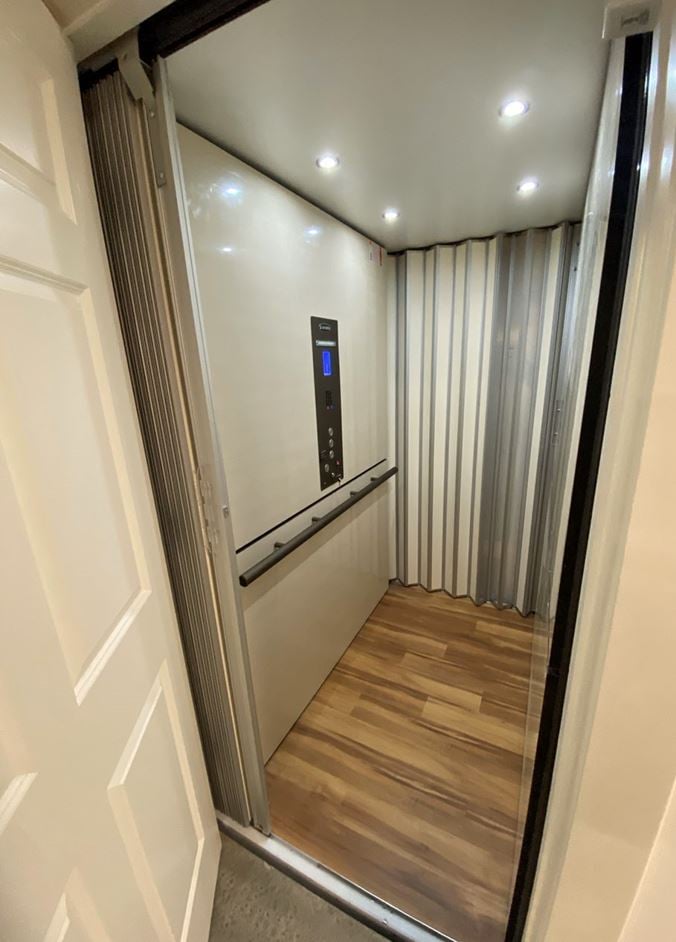
Having a home elevator professionally installed is highly recommended to ensure it is installed properly, and provides a safe and convenient way to navigate the floor levels of your home for years to come. While it may cost more up-front, it includes professional installation by trained and certified technicians, warranty coverage, as well as service after installation when needed. Long-term, a professional installation will ensure safety, peace of mind, and less costs down the line.
Evaluating for a Home Elevator
Some home elevator systems are quicker to install and require no pits or special machine rooms for elevator components. Others are more complex and offer more options and flexibility, but may require more resources and space in order to properly install.
Since so many residential elevator options exist, it can often be helpful to initially do some research to get started. You'll want to consider factors such as:
- Space Available
- Install Location
- Home Elevator Types
- Design & Upgrade Options for Safety & Aesthetics
This will help you to determine which options are feasible in a home similar to yours, as well as various aesthetic options that will help to achieve consistency with your home’s look and your style preferences.
The next step is to reach out to a reputable and experienced residential elevator provider such as Lifeway Mobility. Our team can coordinate with you on a time to conduct a free in-home consultation to evaluate your needs and help determine which design options are best suited for your home and needs.
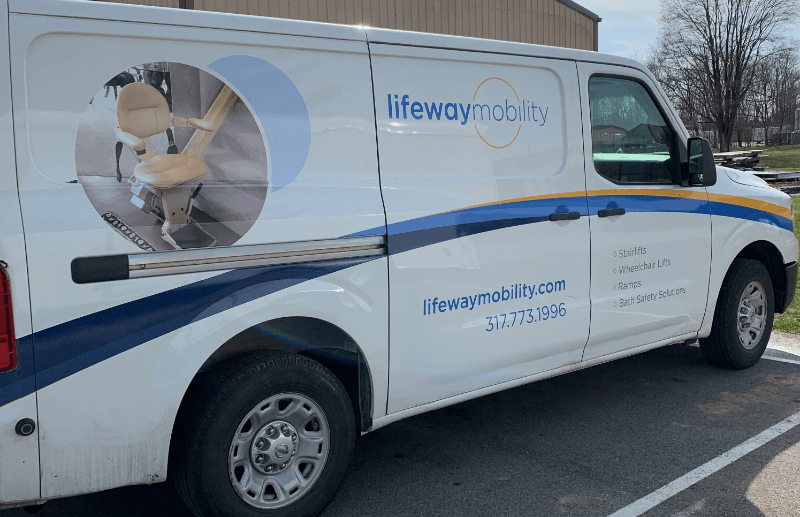
Once a full evaluation is completed with a home elevator expert and an elevator system is selected, measurements will be taken, as well as gauging any additional structural needs, if a separate machine room is necessary, and all necessary travel specifications between floors. The installation team will also be responsible for adhering to all local building codes and can assist with all necessary permits for home elevator construction.
Schedule Free Elevator Consultation
Where Should the Elevator be Installed?
This is an important step of the process that can significantly influence cost of a home elevator and overall project time dramatically. If the home was designed with stacked closets or other features built with the intention of a future elevator, the process becomes somewhat simple.
For all other homes, it is best to contact licensed and certified professional home elevator experts to assist in determining the best location for the addition of your elevator. They will assess your specific needs, and the layout of your home, and determine where to best position the elevator in order to best serve you.
Home Elevator Pre-Installation
The preparation for a home elevator install differs depending on the type of home elevator being installed.
For all types of home elevators, electrical service will need to be routed and supplied by certified technicians that will accommodate the elevator and its accessories. Required permits will also need to be obtained, which can take between 2-4 weeks. An authorized home elevator dealer such as Lifeway Mobility will be able to handle this process from start to finish.
Below is a comparison of the installation process for a traditional shaftway home elevator and through the floor (shaftless) home elevator.
Home Elevator Type
Traditional Shaftway Home Elevator Installation
A traditional residential elevator offers the most in luxury, space, travel distance, and amenities; but requires a hoistway & pit and depending on the drive system, it may or may not require a separate machine room as well. These types of elevators are perfect for larger homes with plenty of space to accommodate all of the equipment needed.
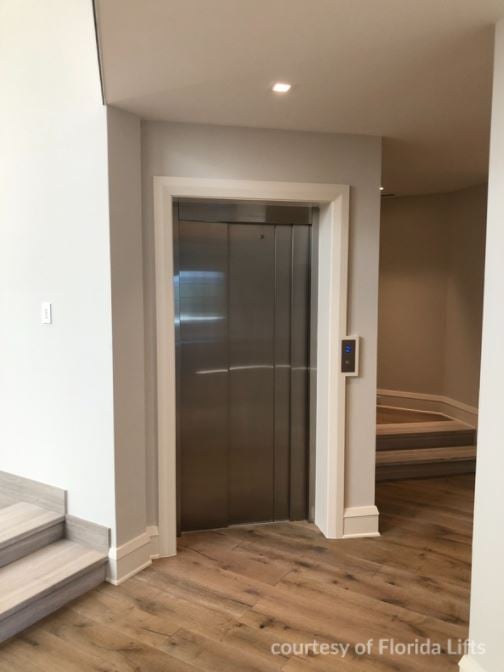
Once the location is determined for the elevator, the hoistway will need to be carefully constructed following all manufacturer’s specifications and all local codes and ordinances. Again, this process can vary greatly depending on the home’s layout. A home with stacked closets can be converted into an elevator hoistway rather simply with relatively minor construction. Conversely, in a home without such an obvious natural area for a hoistway, one will have to be framed and constructed from scratch.
At the bottom of the hoistway, a pit of at least 8” is required for the home elevator. In some homes, this isn’t feasible, and other elevator options or solutions will need to be considered.
If required, a machine room is a separate room often adjacent to the elevator that houses all the machinery necessary for the operation of the home elevator. An elevator machine room needs to be at least 4’ by 4’. Again, these types of elevators that require separate machine rooms are typically reserved for larger homes with plenty of room.
Through the Floor Home Elevator Installation
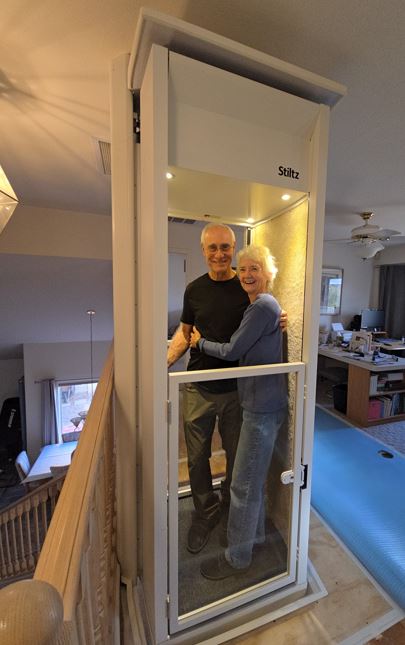
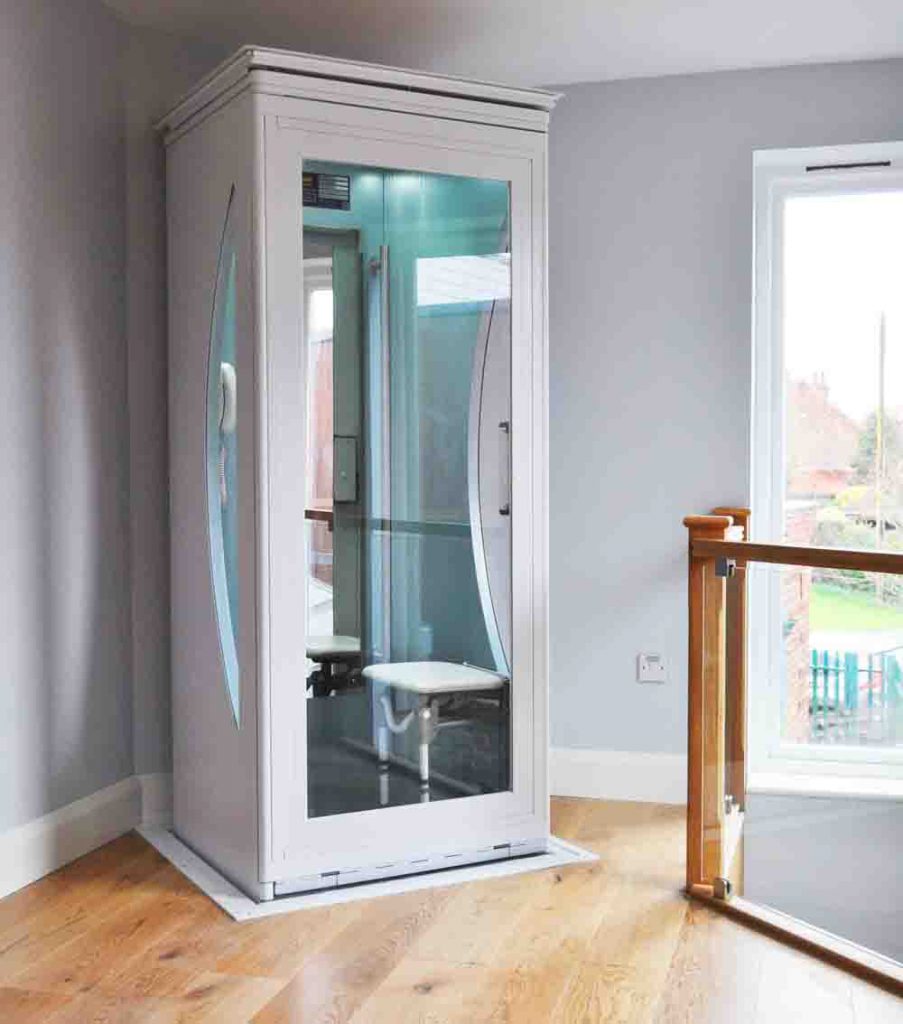
For homes without the extra space required for a traditional shaftway home elevator, a through-the-floor home elevator may be a perfect option. These sleek and modern elevators do not require separate machine rooms or hoistways but are completely self-contained and free-standing. Once the desired location for the elevator is identified, a home elevator installation team will remove the area of the ceiling above where the elevator is positioned at ground level; and also, the floor of the upper level(s) that the elevator will travel through. The opening will be just enough to be able to allow for the elevator car and support structure to fit through.
Whether your elevator is a traditional shaftway elevator or a through-the-floor elevator, the specific components of your system will have to be fabricated by the manufacturer. This process can take anywhere from a couple of weeks to a couple of months depending on several factors including: the complexity of the design, number of stops, and external factors such as demand at the time. Your professional elevator team will work with you to determine logistics, such as which components they will bring with them, and which components will be delivered to your home, and how to prepare for their arrival.
How Long Will the Elevator Installation Take?
The amount of time it takes to install the elevator itself depends on several primary factors. If your home was originally built in such a manner as to plan for the future addition of an elevator, the process will be much quicker, since less prep time and work is needed. Features such as stacked closets can easily be converted into elevator hoistways.
Once any preparation work and construction is completed, and the components are on site after being fabricated and delivered, Lifeway Mobility can typically install the elevator itself in as little as a week, depending on the complexity of the installation and model selected.
Home Elevator Care & Maintenance
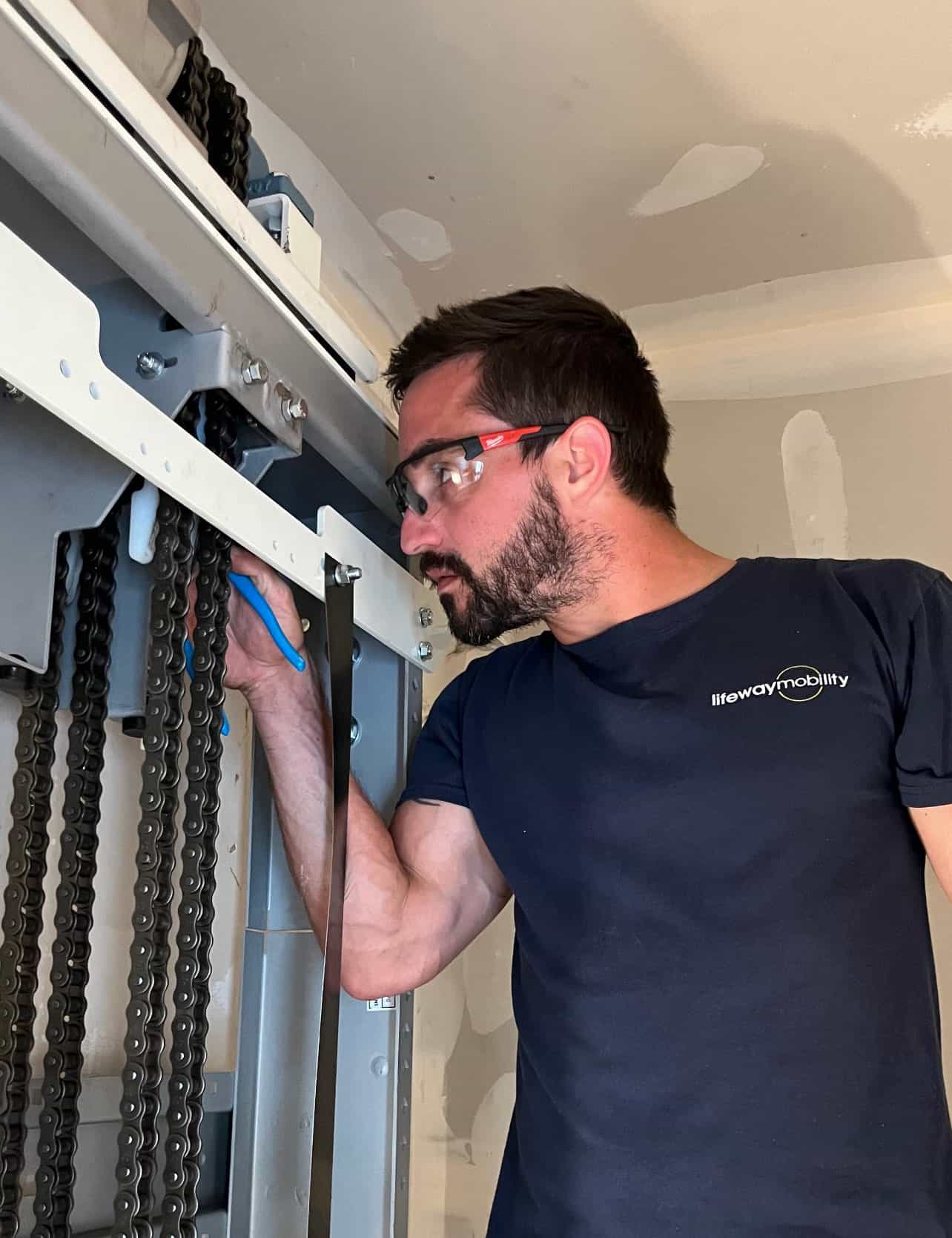
A residential elevator is a highly complex piece of machinery that requires dedicated electrical circuits that supply higher than standard service. For safety reasons, any and all repairs or mechanical troubleshooting should only be done by a licensed and certified elevator technician.
However, keeping the accessible and visible areas of your elevator clean and free of clutter and debris will ensure that it serves you for years to come. If any issues arise, one call to Lifeway Mobility is all it takes. We will schedule a time to come and take a look at your elevator at your convenience and will ensure that your home elevator is always running smoothly and efficiently.
Why Choose Lifeway Mobility for a Home Elevator Installation?
- Lifeway Mobility is recognized “Best Home Elevator Installer & Dealer” by NCOA & Retirement Living
- Lifeway's home elevator technicians are licensed and certified, providing installation & service
- Our home elevators include robust warranty coverage on both parts and labor
- Choose from a variety of home elevator types, systems, and styles to suit your home, need, and taste.
- Lifeway offers personalized home elevator service and maintenance as needed
Home Elevator Installation FAQs
Is a free on site consultation part of the installation process?
Yes—Lifeway Mobility offers a free consultation, which is the first step in planning an elevator installation.
What qualifications does Lifeway Mobility have for home elevators?
Lifeway Mobility is licensed and insured, and has professionally trained & certified elevator installers, CEAC consultants, and works with licensed contractors.
Do home elevators require building permits before installation?
Yes, if local codes mandate a permit, Lifeway ensures all necessary permits are secured prior to installation.
What preliminary steps are taken before installation begins?
Preparations may include site evaluation, architectural planning, permitting, and coordination with contractors and architects.
How much space is needed for a home elevator?
A general rule of thumb is 5 ft × 5 ft, though exact space requirements vary by elevator type and home layout. Your home elevator team will help determine exact dimensions.
Is it possible to install an elevator in an existing home?
Yes—a residential elevator can be retrofitted into existing homes, with Lifeway working directly with architects and contractors as needed.
Do through the floor (shaftless) elevators require a hoistway?
No. Through the floor (shaftless) elevators are installed via a floor cut out and do not require a hoistway, typically reducing installation time.
Who coordinates with my builder or architect?
Lifeway Mobility (elevator provider/installer) can work directly with your builder and architect to oversee project timing and integration.
Can I customize cab finishes?
Absolutely. Options include melamine, wood veneer, glass, mirror, millwork, and more. These finishes are incorporated during installation planning.
Is accessibility (e.g., for wheelchair users) considered during installation?
Yes—elevators are installed with accessibility in mind, and can include upgrade options like automatic doors can be added to support wheelchair access.
Still Have Questions Regarding a Home Elevator Installation?
If you have additional questions that were not covered in this home elevator installation guide or would like to set up a free consultation, please don't hesitate to contact your local Lifeway Mobility Team. We're here to ensure your elevator installation experience is smooth, professional, and results in a safe, reliable accessibility solution for your home.
Schedule Free Elevator Consultation

For additional information on residential elevators, we recommend reading the following articles:
- How Much Does a Home Elevator Cost? – Better understand the cost of a home elevator installation
- Best Home Elevators -- Compare some of the main factors and features of some of the top home elevators
- Home Elevator Reviews – Find out everything you need to know about home elevators