When a loved one has difficulty transferring safely from a bed to a wheelchair, to the bathroom, or between rooms, everyday routines can quickly become stressful not only for the patient, but for caregivers and other family members as well.
“It’s the most wonderful time of the year!”The holiday season is here, bringing joy and cheer as families and friends gather for holiday events and parties. You'll likely get to see family members you haven’t seen for months, and for elderly relatives, that means you may notice new changes in mobility.
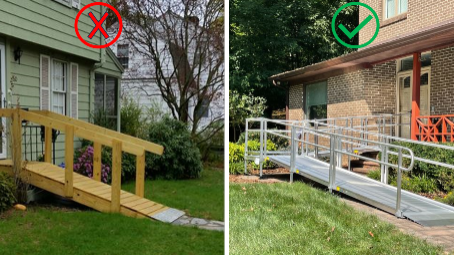
Our home accessibility experts are invited into our client’s homes and into our local communities to evaluate for home accessibility solutions, such as stair lifts or wheelchair ramps or lifts. During our evaluations, we often encounter modifications that were done by another company or DIYs that do not meet ADA requirements, or are unsafe.
People diagnosed with cancer often require additional safety precautions to ensure that any health-related problems do not occur. Day-to-day activities that can be taken for granted will become harder. Simple things like cooking, cleaning, and even walking up the stairs may become strenuous, and even dangerous.
At some point, due to age or disability, you or a loved one may be faced with the prospect of having to use a wheelchair to assist in your primary mobility at home. Whether it be a temporary fixture to your home or something that will be more permanent, there are a number of simple modifications that can help improve accessibility and make life easier.
If you are like most people, you live in a home that was not designed to accommodate wheelchairs. Below are some simple ideas on how to make sure that you will be able to stay in your home despite the necessity of a wheelchair.