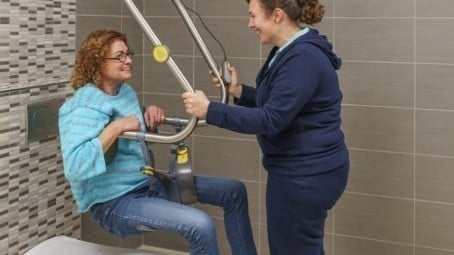
When a loved one has difficulty transferring safely from a bed to a wheelchair, to the bathroom, or between rooms, everyday routines can quickly become stressful not only for the patient, but for caregivers and other family members as well.
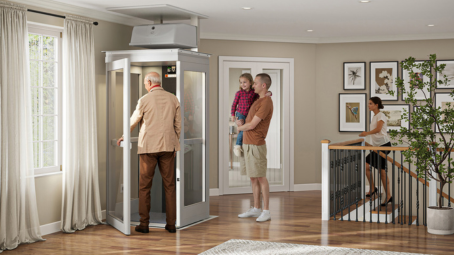
Aging in place means staying in the home you love, safely, comfortably, and independently for as long as possible. With the right home modifications, your living space can remain both stylish and practical, even as your needs change over time. From thoughtful design upgrades to small yet meaningful adjustments, creating a barrier-free, accessible home helps reduce everyday risks and promotes long-term well-being.
“It’s the most wonderful time of the year!”The holiday season is here, bringing joy and cheer as families and friends gather for holiday events and parties. You'll likely get to see family members you haven’t seen for months, and for elderly relatives, that means you may notice new changes in mobility.
Accessible living has recently become a forward-looking trend in the housing design and development industries. But for seniors and people with disabilities, accessibility is so much more than just a buzzword—it means being able to live a fulfilling, independent life.
Today, we’ll take a look at how accessible living spaces are connected to enhanced safety, increased independence, and an overall improved quality of life, not only for those with limited mobility, but for their families, social circles, and communities as well.
Watch the Lifeway Mobility "Happy Holidays" Video:
Best wishes for a happy holiday season, and joyful new year, from all of us at Lifeway Mobility!
Thank you to our referral sources and partners for your trust and support this past year. It's an honor to work together to provide home accessibility solutions that improve quality of life, independence, and safety at home.
We look forward to working with you in 2024 and helping more families remain safe and independent in the home they love!
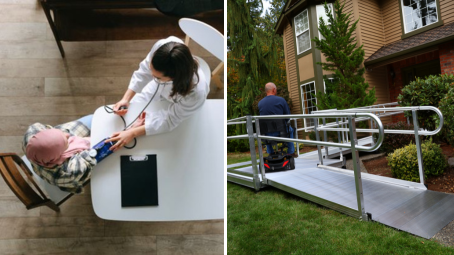
People diagnosed with cancer often require additional safety precautions to ensure that any health-related problems do not occur. Day-to-day activities that can be taken for granted will become harder. Simple things like cooking, cleaning, and even walking up the stairs may become strenuous, and even dangerous.
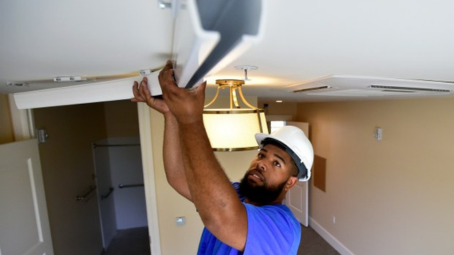
A ceiling lift can be a great alternative to an accessible bathroom remodel when budget is limited. Any sort of bathroom remodeling involves permits, construction, and can cost tens of thousands of dollars.
Watch Lifeway Mobility's 2022 "Happy Holidays" Video:
On behalf of our entire Team at Lifeway Mobility, we wish you and yours a safe and happy holiday season, and wonderful new year!
Thank you to our referral sources and partners for your trust and support. It's an honor to work together to provide accessibility solutions that help families remain safe and independent at home.
We look forward to another great year in 2023, as we continue to expand our footprint across the country!
Watch the October 27th Webinar
Date / TimeThursday, October 27th1pm-2pm Eastern Time
Julie McMurray of the Alzheimer's Association and Amy Finke of Lifeway Mobility will explain how dementia affects a person's safety awareness, explore home modifications to support independence, and provide helpful resources.
Whether you have recently become disabled or have been living with a disability your whole life, you have likely needed to make modifications to your home to support an independent lifestyle. Home modifications can make parts of your home more accessible.
Watch Lifeway Mobility's 2021 "Happy Holidays" Video:
All of us at Lifeway wish you and yours a safe and happy holiday season, and joyous new year! Thank you to our referral sources, partners, and suppliers for another great year, and we look forward to working together in 2022!
Due to the pandemic, more patients with complex needs are being discharged directly home, which can cause challenges for healthcare facilities and patients. Home care and home access are part of the solution to help those with limited mobility remain in their homes safely and on parallel path to help minimize readmission.
In a study on parents of children with a disability, it was found that 55% of the parents were not sure their disabled child would always have a place to stay. Further, 62% stated their adult child with disabilities had strong independent living skills and abilities to to care of themselves.
It is our purpose to help people simplify their lives with accessibility solutions. Many times, individuals who need us don’t know where to start and yet, they are about to be processed for hospital discharge or leave a physical rehab center. Whether patients are calling for guidance themselves or a family member is reaching out, here are seven helpful tips one should address before hospital discharge.
In a society where many enter and exit their homes through their garages into their vehicles, years could pass before one ever meets their neighbor! In the name of convenience, we avoid conversations with the family next door because we’re too busy or just not sure we want to engage at all. What has happened to us? Have we forgotten how to connect with one another? Does it take an emergency situation like a fire, flood or earthquake for us to snap out of our bubble and take a look at who is living next door?
There’s an old tale about two villages in the jungle that traded goods with one another. The tigers that lived in those jungles started charging the villagers. They would sneak up on the person who was traveling from one location to the other and strike from behind. Sadly, hundreds of people had lost their lives because of these tiger attacks.
After being diagnosed with ALS, Larry chose to prepare his home to accommodate his FUTURE accessibility needs. The key word is FUTURE. Learning of the diagnosis was not easy, yet he has accepted it, and with acceptance comes change. He has taken multiple steps to achieve a wheelchair accessible home, to plan for the when:
When he needs a power chair
When he needs access into his home
When he needs a bathroom that will fit a power chair
When he needs to get downstairs
When he needs to go outside to enjoy the outdoors
When he needs support from loved ones
Larry is a very special man, husband, father, grandfather and friend. We invite you to meet him to learn how he has chosen to plan for his FUTURE, for WHEN he will need a wheelchair accessible home.
At some point, due to age or disability, you or a loved one may be faced with the prospect of having to use a wheelchair to assist in your primary mobility at home. Whether it be a temporary fixture to your home or something that will be more permanent, there are a number of simple modifications that can help improve accessibility and make life easier.
If you are like most people, you live in a home that was not designed to accommodate wheelchairs. Below are some simple ideas on how to make sure that you will be able to stay in your home despite the necessity of a wheelchair.