Can I Qualify for a Free Wheelchair Ramp?
Posted on by Eric Rubel
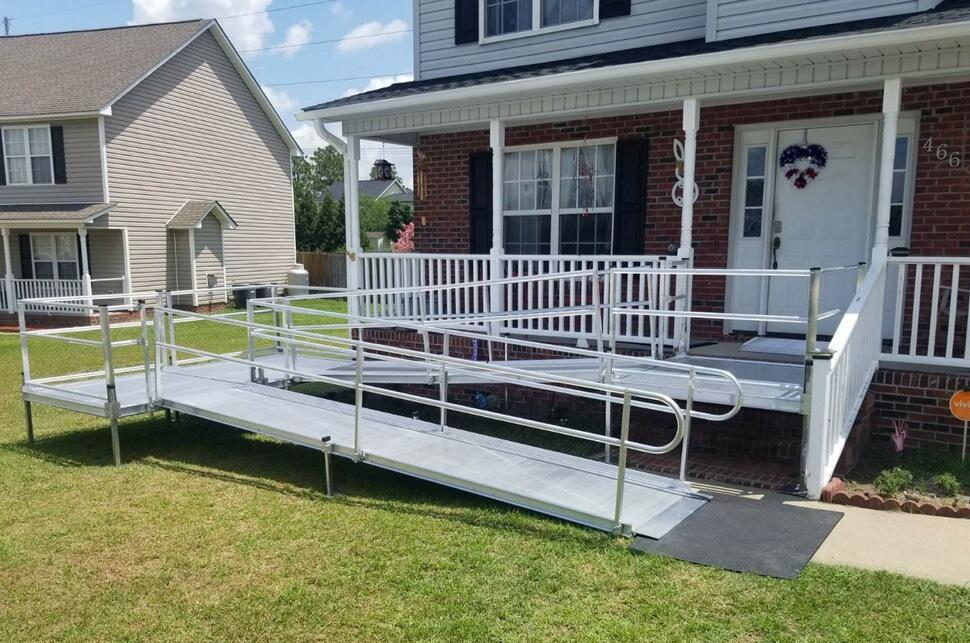
If getting in and out of your home has become difficult or even unsafe due to a staircase or raised landing, you’re not alone. For many people, just a few steps at the front door can create a major barrier to independence.
A wheelchair ramp is a solution that can make daily life easier, safer, and more manageable. But there’s one big question most people ask first:
Can I get a wheelchair ramp for free?
The answer is: it depends. While there’s no single nationwide program that guarantees free wheelchair ramps for everyone, several funding sources may help cover the cost, depending on your situation.
Residential aluminum wheelchair ramp costs typically begin at around $1,000 but can range up to $10,000 or higher depending on the ramp configuration and other factors. This makes them a more affordable solution than other accessibility modifications like wheelchair lifts, but these sources may help lower your wheelchair ramp price even further.
In this blog post, we’ll walk through the most common funding options for a wheelchair ramp and provide tips on how to find out what assistance you may qualify for.
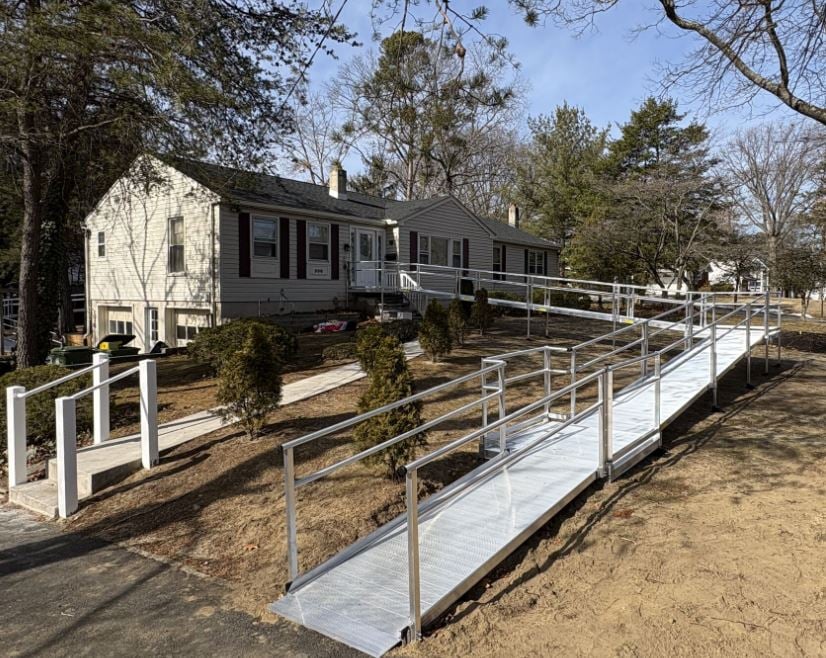
Will Medicare or Health Insurance Plans Cover a Wheelchair Ramp?
Unfortunately, Medicare does not generally cover wheelchair ramps, as they are considered home modifications (attached to the home) rather than durable medical equipment (used within the home, such as a hospital bed). Because most private health insurance plans follow Medicare’s guidelines regarding home modifications, they would also be unlikely to cover wheelchair ramps.
Certain Medicare Advantage plans, however, may offer additional benefits that include home safety improvements. It’s always a good idea to review your plan details or speak directly with your provider.
Medicaid State Waiver Programs for Wheelchair Ramps
Medicaid, a joint federal and state program providing healthcare coverage to low-income individuals and families, sometimes covers wheelchair ramps and other home modifications through Home and Community-Based Services (HCBS) waivers. These programs are designed to help individuals remain in their homes instead of moving into a care facility. Wheelchair ramps are often included when they are necessary for safe access to the home.
Because Medicaid is administered at the state level, coverage and requirements do vary. Get more information on HCBS waivers by contacting your state’s Medicaid agency directly.
VA Grants for Wheelchair Ramps
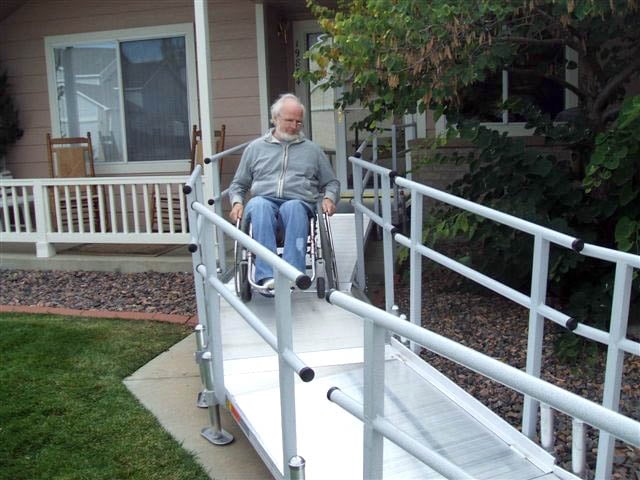
Veterans may qualify for financial assistance through the US Department of Veterans Affairs’ disability housing grants programs, such as the Home Improvements & Structural Alterations (HISA) grant. In many cases, home modifications like wheelchair ramps are covered when they are part of an approved accessibility plan tied to a service-connected disability or medical need.
Even if you’re unsure about your eligibility, it’s worth exploring VA programs or speaking with a Veterans Service Officer (VSO) to better understand your options.
State & Local Assistance Programs for Wheelchair Ramps
Many states, counties, and municipalities offer programs that help older adults and individuals with disabilities improve home safety and accessibility. These may include:
- Grants for home modifications
- Local aging or disability services funding
- Low-interest or forgivable loans
- Reverse mortgages
Availability varies by location, but these programs can be a valuable resource, especially when combined with other funding sources. Contact your local Area Agency on Aging or your state’s assistive technology program to learn about potential opportunities in your area.
Nonprofit & Community Organizations

Some nonprofit organizations, such as the ALS, offer disability assistance and may provide free or low-cost wheelchair ramps to those in need. These programs are often based on income, disability status, or specific circumstances. Check with local organizations in your area, such as volunteer groups, faith-based organizations, nonprofits focused on accessibility or aging in place, and community development programs.
In some cases, well-meaning volunteers may be willing to build you a wheelchair ramp at little or no cost. We applaud the spirit behind this gesture, but we would strongly caution you against this option. For your safety, wheelchair ramps should always be professionally installed and designed by an accessibility expert who can determine the appropriate slope for the site.
Find more national & local funding options ›
Are Wheelchair Ramps Tax-Deductible?
Yes, wheelchair ramps can be tax-deductible when they are considered to be medically necessary. Unlike a product such as a home elevator, wheelchair ramps are generally not considered an improvement that increases the value of your property, so you can typically include the entire expense as part of your itemized medical deductions.
Keep in mind, however, that the IRS only allows you to deduct medical expenses that exceed 7.5% of your adjusted gross income (AGI). Depending on your income, this might be a high threshold to meet, so you may not benefit from a tax deduction unless you have a lot of other unreimbursed medical expenses during the same tax year.
Other Affordable Wheelchair Ramp Options
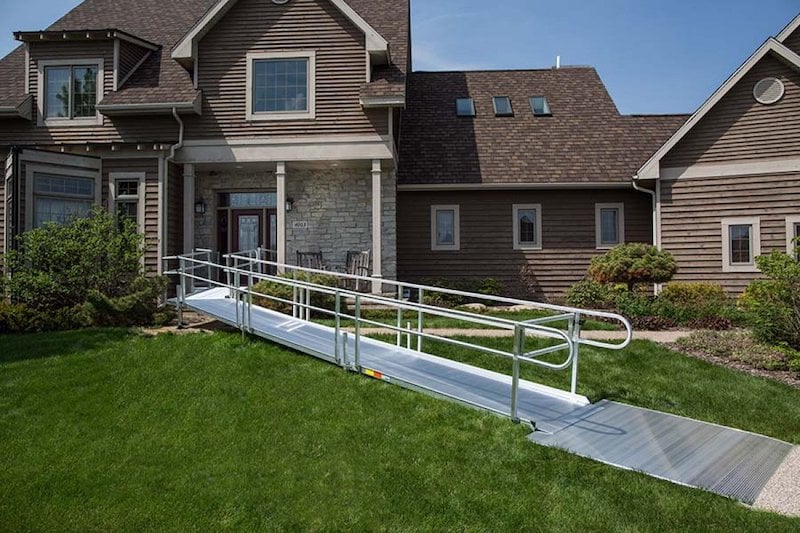
If you’re not able to obtain funding for your wheelchair ramp from the sources above, there are still ways to make the project more manageable. Lifeway Mobility offers several affordable paths to getting the wheelchair ramp you need, including financing, used ramps, and rental ramps.
- Financing: Financing allows you to get a wheelchair ramp installed without paying the entire cost upfront. Monthly payment plans are available for qualified buyers, starting as low as $29.99/month through Affirm.
- Used Wheelchair Ramps: Save up to 15% when you choose a certified pre-owned ramp from Lifeway Mobility. All our used aluminum wheelchair ramps are inspected to ensure that all materials are in good condition, and will be professionally installed by our technicians.
- Rental Wheelchair Ramps: For short-term needs, consider renting a wheelchair ramp. This temporary solution is perfect when recovering from surgery or an injury, or when renting a home. If you end up needing the ramp for a longer period, our rent-to-own option allows you to simply purchase it outright.
Final Thoughts
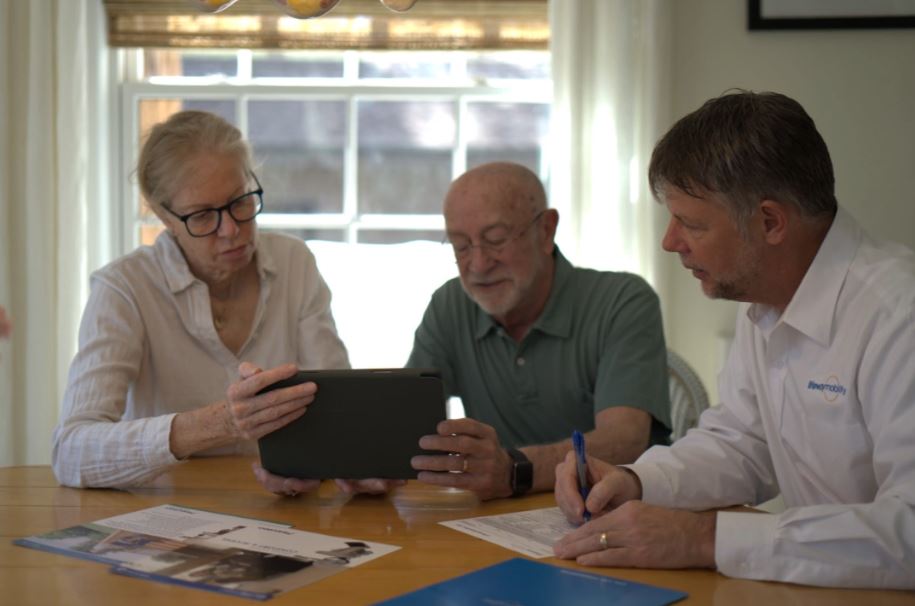
While not everyone will qualify for a completely free wheelchair ramp, some people are able to reduce their costs significantly through available programs and resources. The key is knowing where to look and taking the first step.
If you’re unsure what you may qualify for, a free home accessibility consultation is a great place to start. With expert guidance, you can explore your options and find a solution that fits your home, your needs, and your budget.