
Kansas Funding Sources for Stair Lifts, Ramps, & Other Accessibility Solutions & Modifications
Lifeway Mobility works with a variety of funding sources in greater Kansas City, Wichita, Topeka, & throughout the state of Kansas for stair lifts, wheelchair ramps and other accessibility solutions & modifications.
These funding sources help families remain safe and independent in their homes, so they will do what they can to help you make your home accessible by removing barriers.
Specific details can only be obtained by contacting the individual organization directly. All you need to do is ask!
Local Funding Sources for Kansas Residents Specifically
- Hope Builders - non-profit organization that can assist in building wheelchair ramps for families in need.
- Single Family Housing Repair Loans and Grants in Kansas - helps very-low-income homeowners repair, improve & modernize their homes, provides grants to older adults over the age of 62
- Assistive Technology for Kansans - Kansas AT Loan Program (K-Loan) - the ATK staff works to help identify public and/or private funding sources for individuals with disabilities or health conditions to obtain the assistive technology needed to live safely & independently in their local communities.
- KACIL-Kansas Association of Centers for Independent Living - member organization that helps to ensure Kansans with disabilities have the opportunity to live independently and enjoy their human & civil rights.
- KS Home Repair Programs and/or Deferred Loans/Grant Programs - home repair programs and/or deferred loans/grant programs. Example for Olathe, KS.
**Local fire departments will occasionally build wood ramps. Call local fire department to inquire.
Other Non-Profit Funding Sources
Friends of Man
Non-profit organization that receives applications from referring professionals (health care and social workers, clergy, counselors, etc.) on behalf of people in need of assistance. If the application is approved, Friends of Man pays a vendor for the needed items or services. Friends of Man also has a Children’s Assistance Program.
Phone: 303.798.2342
Website: www.friendsofman.org
Rebuilding Together
Rebuilding Together is a non-profit organization that offers critical home repairs and modifications for low-income homeowners, including those with disabilities. The organization leverages volunteer efforts to carry out the necessary work, ensuring safe and accessible living conditions.
- Eligibility: Low-income homeowners, including disabled individuals, in need of essential home repairs. Applicants must demonstrate financial need and the necessity of the repairs.
- Benefits: Free home repairs, including safety modifications such as grab bars, ramps and widened doorways. The program often focuses on improving accessibility and eliminating health and safety hazards.
- Application Process: Interested homeowners should contact their local Rebuilding Together affiliate. The application process involves an assessment of the home and the needed repairs, as well as verification of income and disability status.
Visit the Rebuilding Together website for more information.
Habitat for Humanity's Home Repair Services
Habitat for Humanity provides various home repair services, including critical home repairs, weatherization and home preservation. These services are designed to help low-income families, including those with disabilities, maintain and improve their homes.
- Eligibility: Low-income homeowners needing home repairs. Applicants must meet income guidelines and demonstrate the need for repairs.
- Benefits: Reduced-cost or free home repairs focusing on safety, accessibility and energy efficiency. Habitat for Humanity often collaborates with local volunteers and community groups to carry out the repairs.
- Application Process: Homeowners should apply through their local Habitat for Humanity affiliate. The application involves providing financial information, details about the home and needed repairs and proof of disability.
To see more information, visit the Habitat for Humanity website.
Government Funding Sources
Section 504 Home Repair Program
The Section 504 Home Repair Program, managed by the U.S. Department of Agriculture (USDA), provides loans and grants to low-income homeowners to repair, improve, or modernize their homes. For disabled homeowners, this program offers grants aimed at removing health and safety hazards.
- Eligibility: Homeowners must occupy the house, be unable to obtain affordable credit elsewhere and have a family income below 50% of the area median income. Disabled people must provide proof of disability
- Benefits: Grants up to $7,500 to remove health and safety hazards for elderly and disabled individuals.
- Application Process: Interested homeowners need to contact their local USDA Rural Development office. They must provide proof of income, homeownership and detailed descriptions of the needed repairs.
For more information, visit the USDA Rural Development website
Specially Adapted Housing (SAH) Grant
Administered by the Department of Veterans Affairs (VA), the Specially Adapted Housing (SAH) Grant helps disabled veterans modify or build homes that accommodate their service-connected disabilities. This grant focuses on significant modifications for accessibility.
- Eligibility: Veterans with specific service-connected disabilities such as the loss of use of both legs, blindness in both eyes, severe burns, or the loss of use of one lower extremity. Proof of these disabilities is required.
- Benefits: Grants up to $126,526 (FY2026) for constructing or modifying homes to enhance accessibility.
- Application Process: Veterans must apply through the VA by submitting VA Form 26-4555 either online, via mail, or in person at a local VA office. The application requires detailed medical and financial information.
For further information, visit the U.S. Dept of Veteran Affairs Website
Tips for Applying for Home Repair Grants
Applying for home repair grants can be a detailed process, but following these tips can help streamline the application and increase the chances of approval:
Gather Documentation: Before applying, collect all necessary documents, including proof of income, disability, homeownership and any quotes or estimates for the needed repairs.
Understand the Requirements: Each grant program has specific eligibility criteria and application processes. Make sure to thoroughly understand these requirements to ensure your application is complete and accurate.
Seek Assistance: Many non-profit organizations and local housing agencies offer assistance with the application process. Don’t hesitate to seek help if you need guidance or support.
Follow Up: After submitting your application, follow up with the relevant agency to ensure it has been received and to check on the status. This can also help address any additional information or documentation that might be needed.
Additional Resources & Tips
Aside from the primary grants and programs mentioned, there are numerous local and state-level resources that disabled homeowners can explore. It is advisable to contact local housing authorities, non-profit organizations and community groups for additional support. Here are a few extra tips and resources:
Local Non-Profits: Many local non-profit organizations offer home repair assistance. These organizations often have specific programs for disabled individuals and can provide both financial aid and volunteer support.
Community Development Block Grants (CDBG): Administered by the U.S. Department of Housing and Urban Development (HUD), CDBG funds can be used by local governments to support home repair programs for low-income residents, including those with disabilities.
Area Agencies on Aging (AAA): These agencies often have programs to help elderly and disabled individuals with home repairs and modifications. They can provide information on available grants and assistance programs in your area.
Independent Living Centers (ILCs): ILCs are non-profit organizations that help disabled individuals live independently. They often offer resources and assistance for home modifications and repairs.
Conclusion
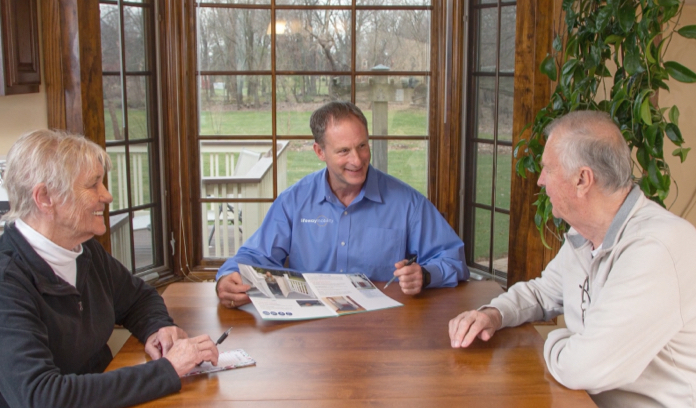
Home repair grants are vital for enhancing the quality of life for disabled homeowners. By leveraging these grants, individuals can ensure their homes are safe, accessible, and comfortable. Understanding the available resources and knowing where to apply is the first step towards a better living environment. With the right support, disabled homeowners can make the necessary modifications to live more independently and comfortably.