A Guide to Aging in Place: Making Your Home Safe & Accessible
Posted on by Eric Rubel
Aging in place means staying in the home you love, safely, comfortably, and independently for as long as possible. With the right home modifications, your living space can remain both stylish and practical, even as your needs change over time. From thoughtful design upgrades to small yet meaningful adjustments, creating a barrier-free, accessible home helps reduce everyday risks and promotes long-term well-being.
As we age, changes in mobility, strength, vision, and hearing are common, and each of these changes can increase the risk of falling and sustaining a serious injury at home. For many older adults, a fall leads to expensive hospital visits, lengthy stays in rehab facilities, and lasting injuries.
Fortunately, with a little planning and expert guidance, you can prepare your home to meet your evolving needs. This article offers suggestions & ways you can continue to live safely and independently at home as you age.
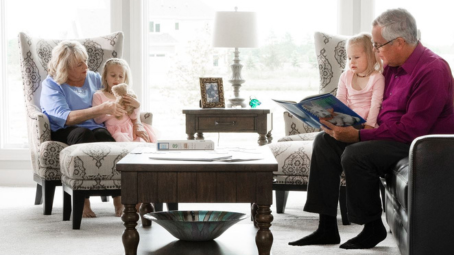
4 Tips for Successful Aging-in-Place Planning
1. Start Early.
Don’t wait for a crisis to make changes to your home: the time to install accessibility solutions is before you urgently need them. By starting the home modification process early, you give yourself time to explore a wide range of product options, compare costs, and choose features that suit your lifestyle and preferences. Planning ahead can also help prevent falls that can lead to serious injuries.
2. Call in the Experts.
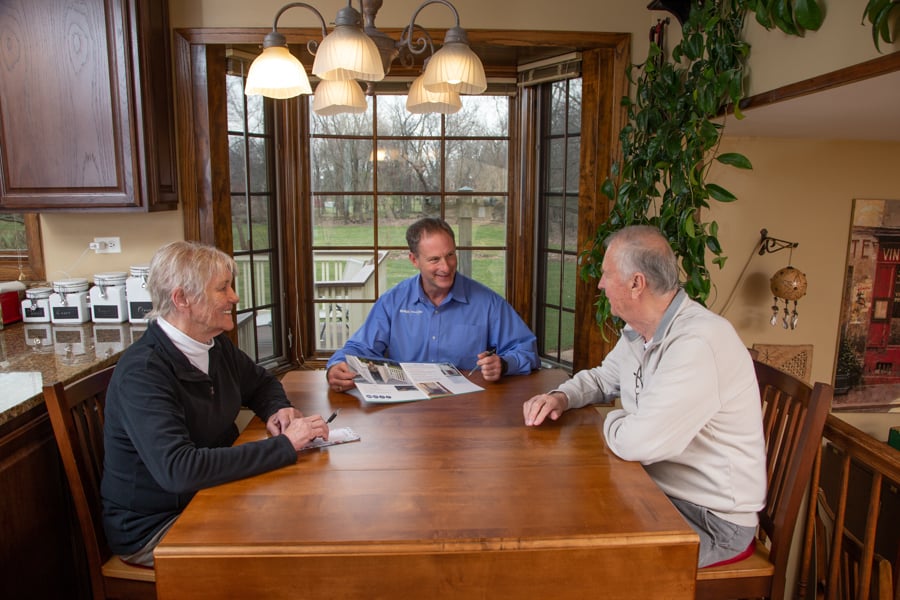
When you’re ready to get started, consider hiring a Certified Aging in Place Specialist (CAPS), like the professionals at Lifeway Mobility. Developed by the National Association of Home Builders, the 50+ Housing Council, and AARP, the CAPS designation is for those with the training to help older adults adapt their homes for long-term comfort, safety, and independence.
3. Don’t Overlook the Small Stuff.
Even minor changes like adding nightlights to each room can make a big difference in your safety at home. Now is also the time to get into the habit of keeping floors clutter-free to prevent tripping hazards.
4. Get Smart.

“Smart home” devices offer major advantages for aging adults. Even if you consider yourself old-fashioned, it’s a good idea to explore how this range of technology can make your daily life safer. For example:
- Voice-controlled lights, thermostats, and appliances can reduce the need to reach, bend, or stretch.
- Smart speakers can connect you to loved ones or emergency help with a simple command.
- A doorbell with a camera lets you see who is at the door and talk to visitors without rushing to open it.
Key Areas of Focus to Make Your Home Safe & Accessible
The Entryway
Your home should have at least one accessible entrance. If there are steps at your front door, consider the house’s other entryways—is there a back door, side door, or even a door from the garage where no steps are required? Whichever door has a step-free threshold, focus on making this entryway still more accessible with:
- Outdoor lighting: A porch light can help ensure visibility as you come and go. Ensure that the light is positioned low enough that you can easily change the bulb when needed. Motion-sensor lights are a great option, as they don’t require you to remember to flip the switch before leaving home.
- An overhang: An awning will protect from snow and rain. An overhang also creates a convenient and dry spot for delivery drivers to leave your packages.
- A wider doorway: To allow a wheelchair to pass through, your doorway should be at least 32" wide. Outfitting your current door with wide throw hinges will allow it to open a full 180°, creating more clearance in the entryway.
- A lever-style doorknob: This style of knob is easier to use for those with arthritis. It’s also more convenient when you have your hands full!
- A safer doormat: Whether it’s on the inside or the outside of your door, a mat can be a tripping hazard. Reduce this risk by selecting a heavy one that won’t shift, or by securing the mat to the floor with double-sided tape.
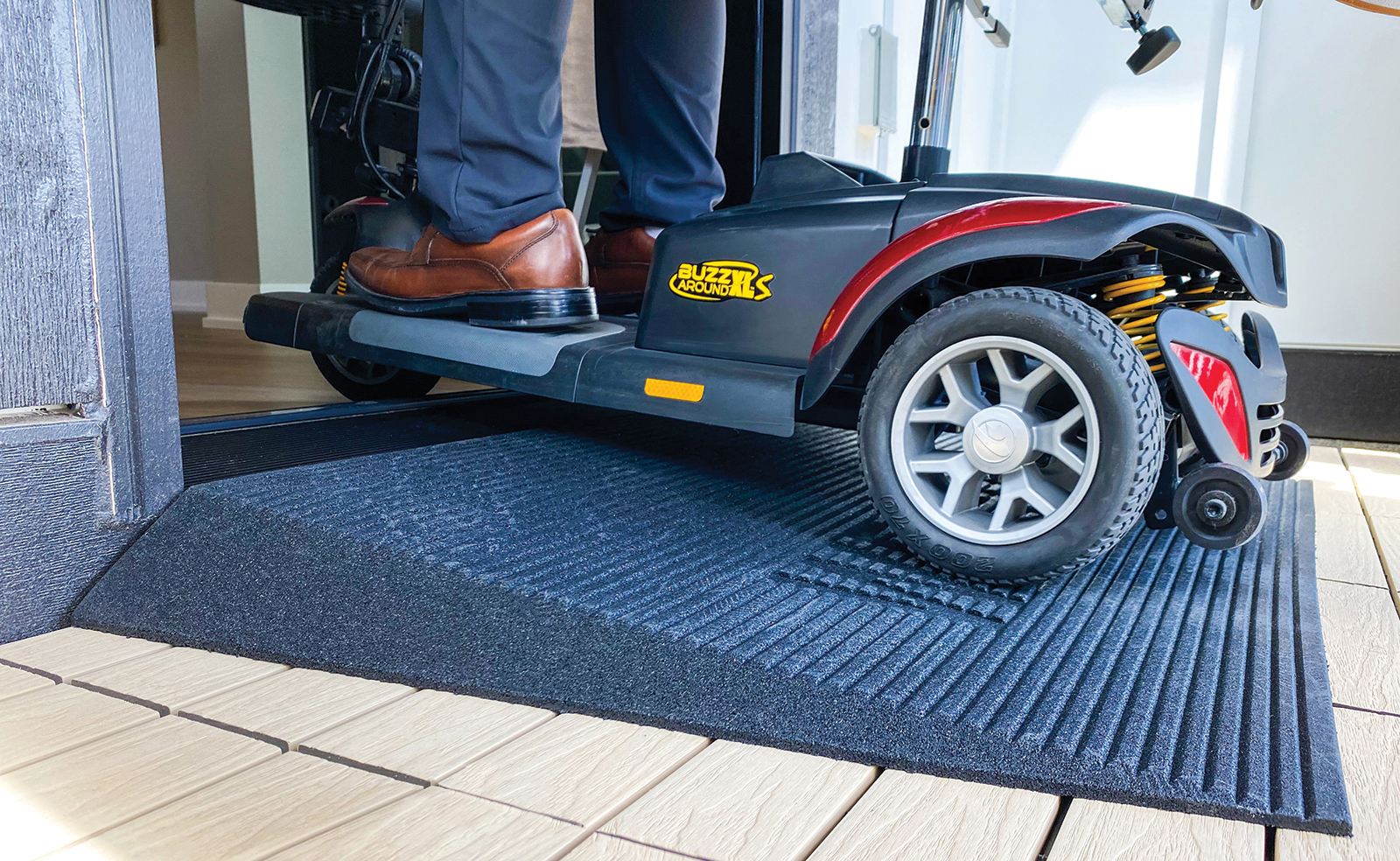
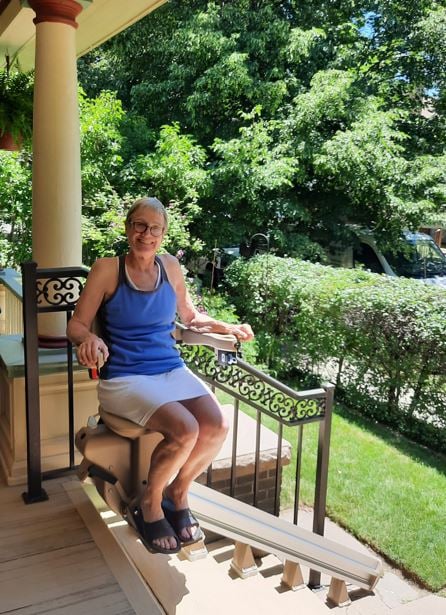
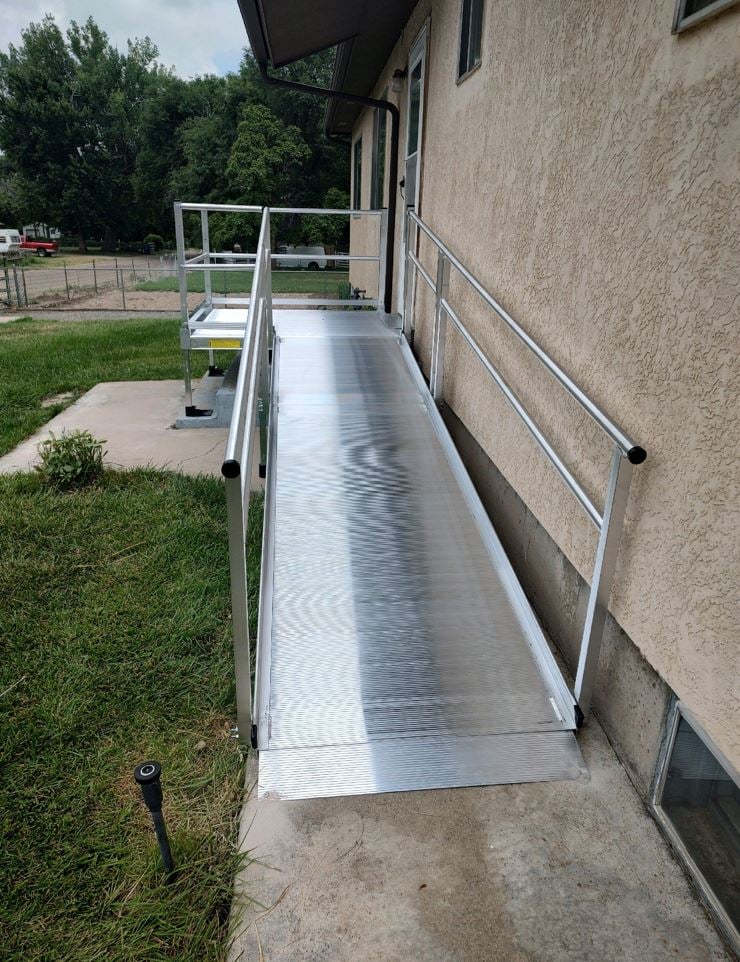
If all of your home’s entrances have steps, consider installing an outdoor stair lift or wheelchair ramp. For just a single step at the entryway, a threshold ramp would be a great solution. In the meantime, ensure that any loose or uneven steps are fixed, and have sturdy hand railings installed where needed.
Floors & Hallways
Throughout your home, you’ll want to create wide, clear pathways with minimal tripping hazards.
- Rugs: Because hard-surface flooring gets slippery, rugs can be a good choice for aging in place. However, not all rugs are a safe bet. Small, loose throw rugs that don't have a rubber backing should be removed, and area rugs should be affixed to the floor with double-sided tape, paying particular attention to edges and corners, which may curl up.
- Lighting: Moving around in the dark can be disorienting, so ensure that you have bright lighting in each room. Then, ensure that there’s an easily accessible light switch at the entrance of each room (you shouldn’t have to cross a dark room to turn a lamp on). Add plug-in nightlights to each room and along hallways for extra visibility.
- Cords: Cords snaking under an area rug or across a room are definite tripping hazards. Instead, tuck or secure all cords safely along your walls.
- Clutter: Consider whether your home has extra or unused furniture that you can get rid of. Although this process can be difficult, it can help create wider areas with fewer tripping hazards throughout your home. With the excess furniture removed, you may also want to consider installing railings along hallways.
Stairs
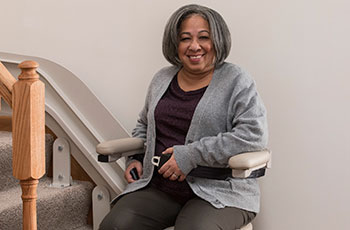
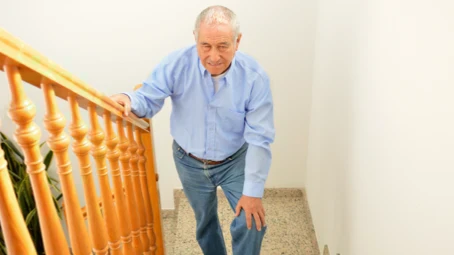
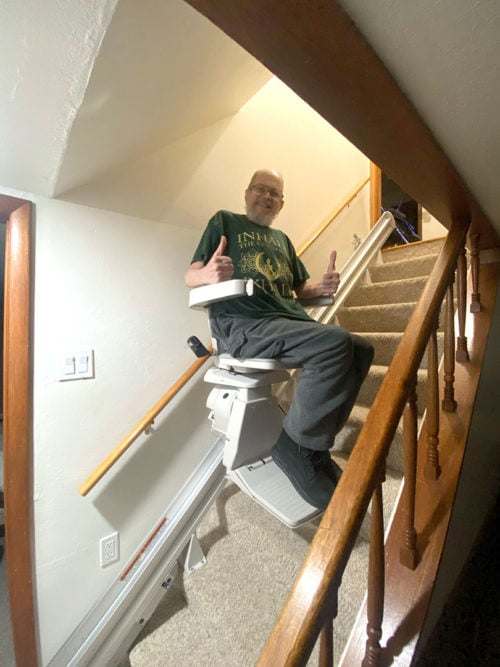
A single-floor home is ideal for aging in place, but it isn't always an option. If your home has stairs to access a second level, basement, etc., consider how you will maneuver them as you get older. Have the steps inspected to ensure they are solid, and have secure hand railings installed on at least one wall alongside them. Add good lighting at both the top and bottom of each staircase.
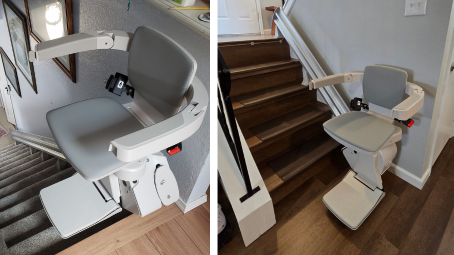
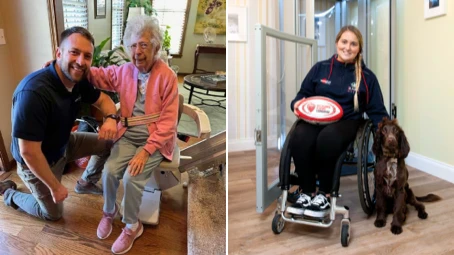
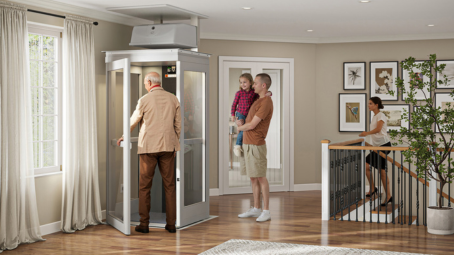
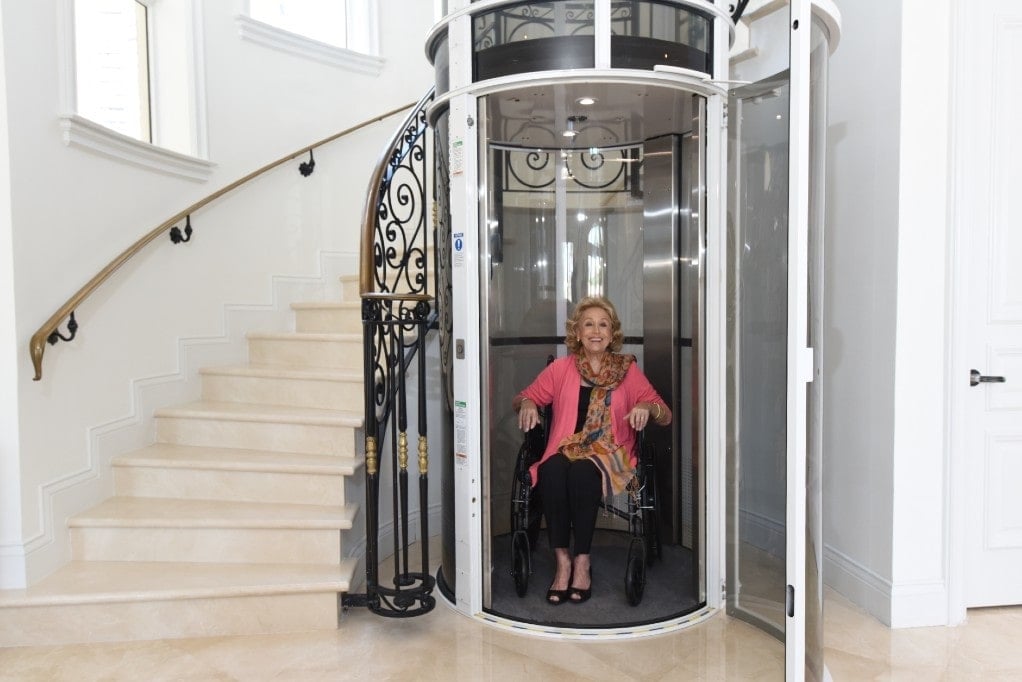
What if a change to your mobility no longer allows you to use the stairs as you age? Consider installing a stair lift, a wheelchair lift, or a home elevator. With these solutions, you can still enjoy your entire home, which is especially important if your bedroom, bathtub, or laundry facilities are not on the main level.
The Bathroom
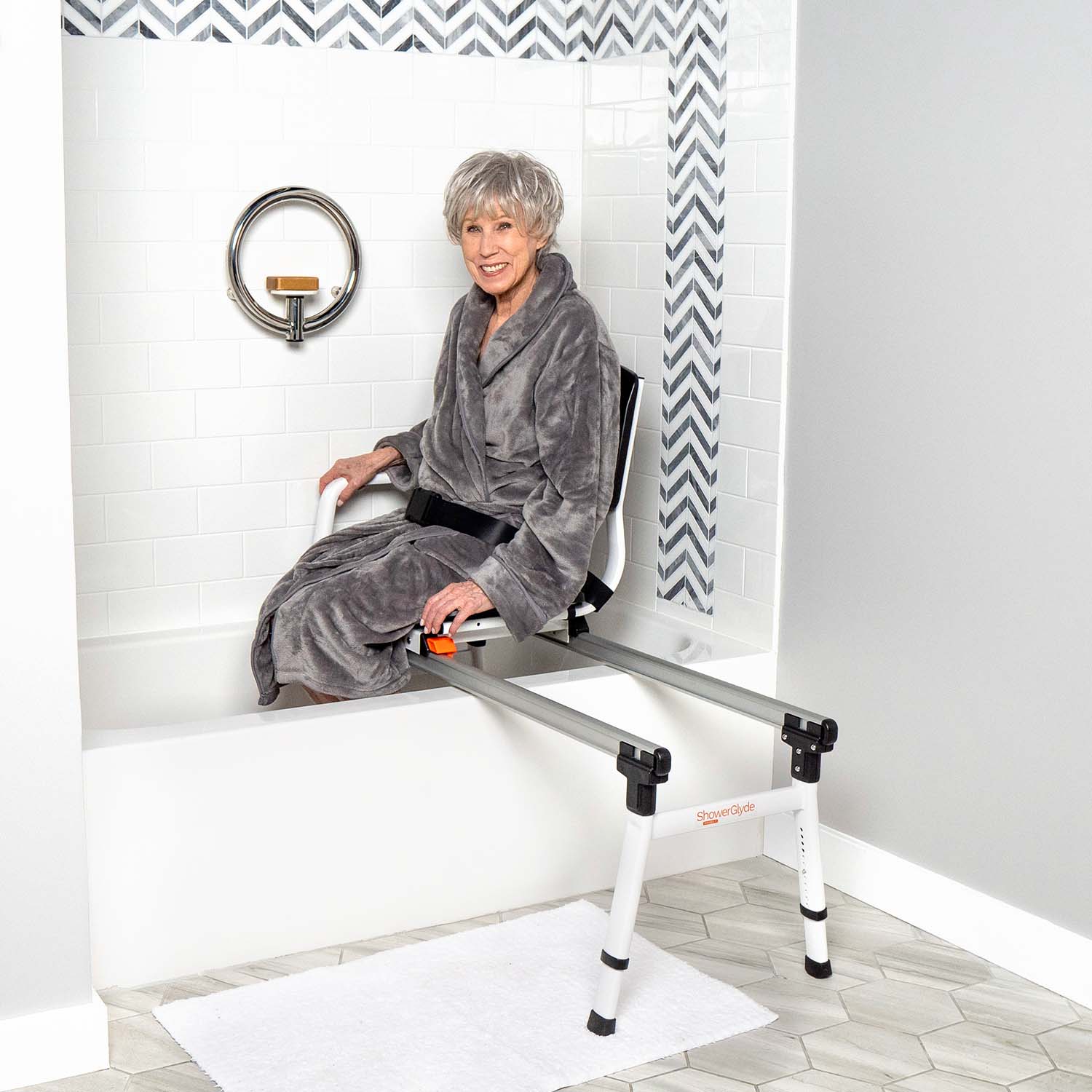
When it comes to falling, the bathroom is identified as the most dangerous room in the home, according to the AARP. The hard, smooth flooring and countertops here can be very slippery when wet, so it’s crucial to mitigate the risk as much as possible.
Your first step should be to install grab bars or a floor-to-ceiling safety pole by the tub or shower and by the toilet. There are many stylish options available that do double-duty as towel bars.
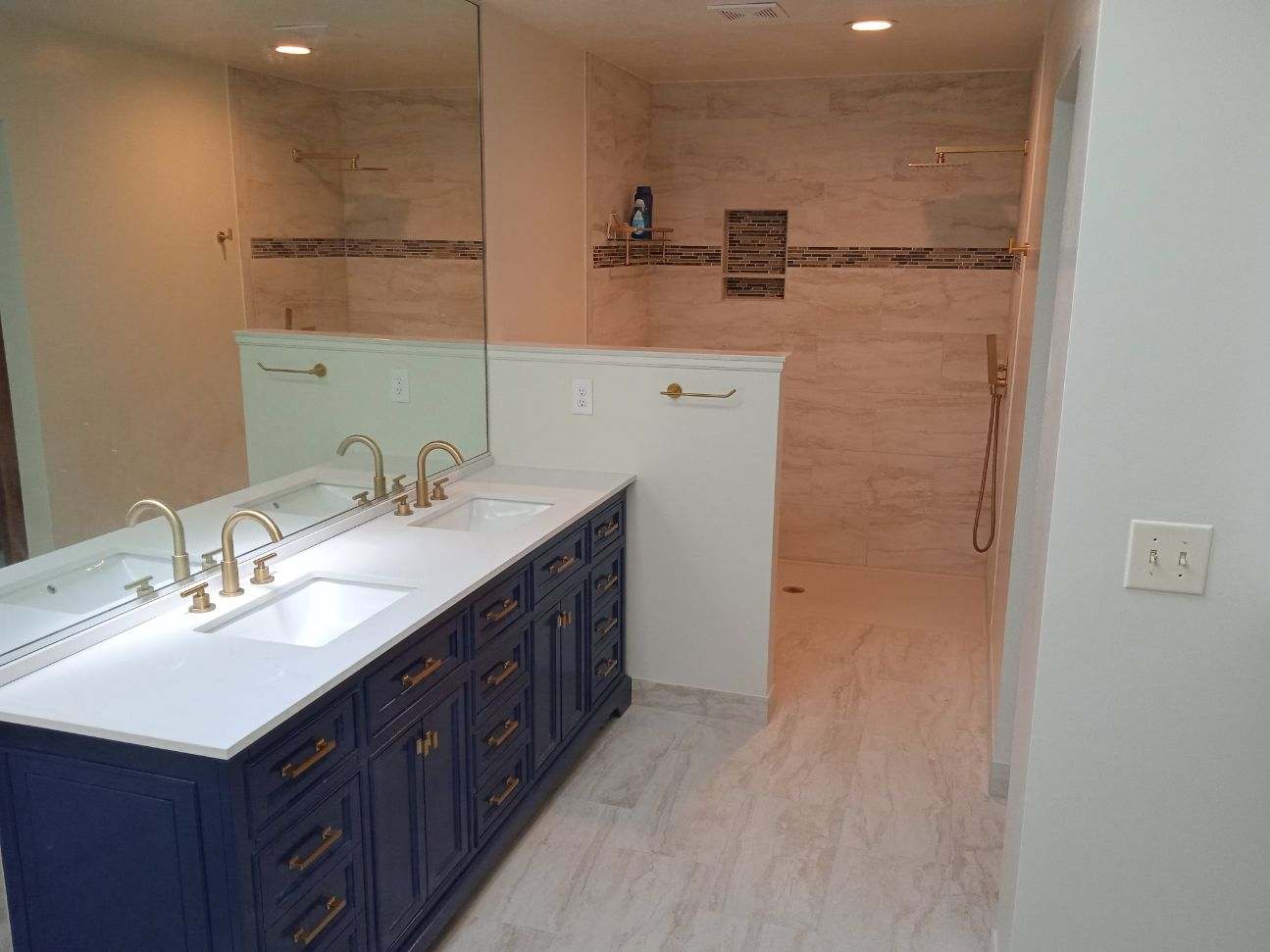
Beyond this, you should also consider updating your tub or shower to eliminate the dangerous high step over the tub wall. Replace the tub with a zero-threshold shower that allows you to walk right in, or even roll in with a wheelchair. If you prefer baths, a walk-in tub with a water-tight door will allow you to continue enjoying them as you age.
Even if a major bathroom remodel is not in your budget, these small changes can make your tub or shower safer:
- Add non-slip strips on the floor of the tub/shower and just outside it.
- Install secure grab bars on the shower wall.
- Swap the shower head for a handheld nozzle, and add a shower chair or bench so that you can bathe while seated.
How Much Does it Cost to Age in Place?
The cost of aging-in-place can vary significantly depending on your mobility needs, layout of the home, and potential modifications needed to ensure you can safely and conveniently age in place. Below are some general price ranges for some of the most common solutions that are added to help people age in the home they love:
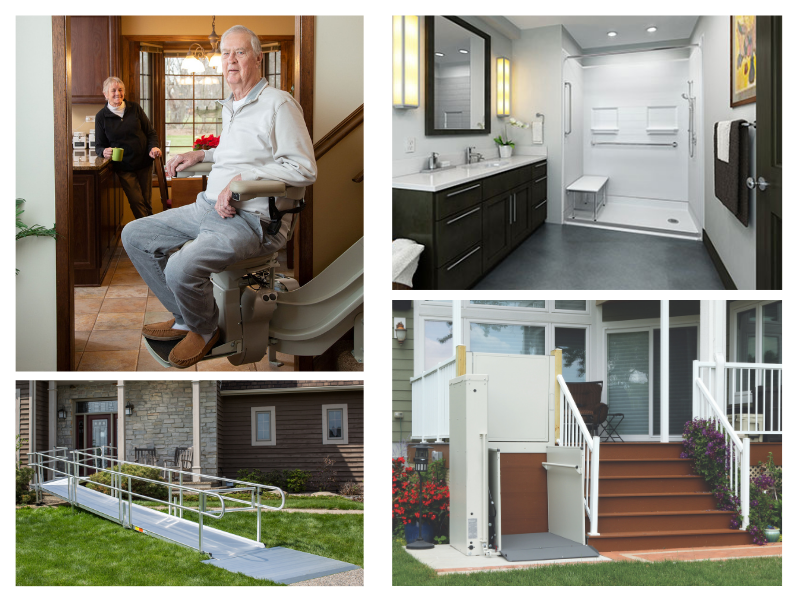
- Stair Lifts -- $2,900-$25,000+
- Wheelchair Ramps -- $250-$10,000+
- Wheelchair Lifts -- $12,000-$35,000
- Home Elevators -- $35,000-$80,000+
- Bathroom Upgrades -- $200-$30,000+ (this can vary widely depending on upgrades needed)
If any of the above options seem costly, they're likely to be less expensive than moving into a senior living or assisted living facility, assuming your mobility needs will allow you to age in place after some solutions are installed or modifications are completed.
Average monthly cost for senior/assisted living - $2,000-$7,500+
Any of the accessibility solutions outlined above will pay for themselves within only a few of months when compared to the monthly cost of a senior/assisted living facility.
Financial Assistance for Age-In-Place Solutions/Modifications
Not everyone has funds saved up to pay for a home modification or accessibility solution. Fortunately, there are some affordable monthly payment options to consider and funding sources that may be able to provide financial assistance.
Financing or Rental Options
Consider financing as a way to pay for a home accessibility solution or modification. At Lifeway Mobility, we offer financing through Affirm for solutions ranging from $1k-$25k, with monthly payments starting at $79.99/month for a stair lift and $29.99/month for an aluminum wheelchair ramp.
In addition, we do offer rental options for both stair lifts and aluminum wheelchair ramps. A rental can be an affordable way to improve safety & access for short-term needs.
Funding Sources
There are a variety of national and local funding sources that may be able to help you pay for a home accessibility solution or modification to enable you to age-in-place.
Contact us or visit our funding sources page to learn more.
Final Thoughts
Aging in place is about more than staying put in the home you love—it’s about staying empowered. With early planning, expert input, and smart design choices, you can ensure your home remains a source of safety, comfort, and independence for years to come.
If you’re unsure where to start, contact Lifeway Mobility for a complimentary in-home consultation today.